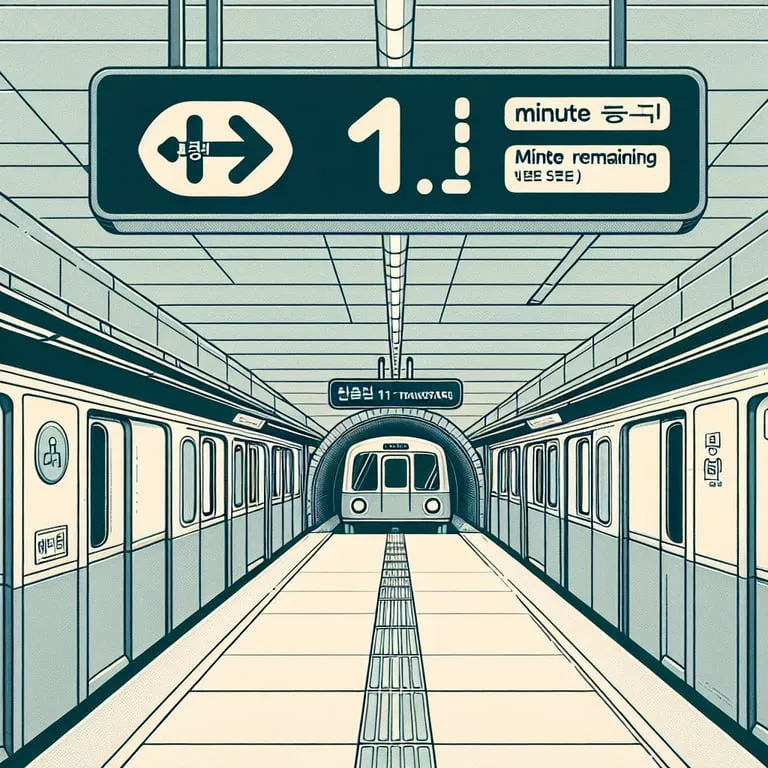
How Korean Public Transportation Beats Major US Cities
You know that friend who always shows up five minutes early, remembers your coffee order, and somehow finds a table during the lunch rush? That’s Korean public transportation in 2025, and wow, it keeps showing up like that friend did요. If you’ve ridden subways and buses in New York, LA, Chicago, or SF, you probably felt the difference in your bones—shorter waits, cleaner platforms, clearer signs, and transfers that feel… effortless요. Let’s walk through the why, the how, and the what-comes-next together, like we’re swapping stories after a good ride home요.
Frequency, Reliability, and Speed
Headways you can set your watch to
High frequency is the backbone of rider freedom, and Seoul leans into it요.
- Peak headways on core Seoul Metro lines commonly sit around 2–3 minutes, with off-peak windows often at 4–6 minutes요. That translates into high-frequency service where you don’t consult an app—you just walk down the stairs요.
- Many US systems still post 8–12 minute off-peak headways on major trunks (and 15–20 on branches), which pushes riders to time their trips, not live their lives요. Frequency is freedom, and Seoul treats it like oxygen요.
- Bus corridors in Seoul keep tight intervals, too, thanks to median bus-only lanes and signal priority, so the bus isn’t just a backup—it’s a backbone요.
On-time performance and dwell-time discipline
- Consistency matters more than a single fast train, and Seoul’s core lines routinely deliver >95% schedule adherence by keeping dwell times predictable and using platform screen doors to reduce incidents and delays요.
- Trains use automatic train operation on several lines and tight dispatch intervals, which keeps the “platoon” moving smoothly요. In practice, that means fewer logjams and more confidence you’ll make your transfer요.
- In many US cities, on-time performance fluctuates in the 70–90% range depending on line and time of day, and small disruptions cascade more often요.
Express services that actually save time
- Seoul’s network design stacks local and express services where demand justifies it, so you can see real time savings, not just a different label on the same train요.
- Longer regional services tie into the metro cleanly, so a 25–40 km cross-region trip can be competitive door-to-door with driving during peak hours요. That’s the bar a big city should clear요.
- Dedicated passing tracks and controlled dwell times keep express lines express—simple idea, serious payoff요!
Nights, peaks, and the late commute
- Seoul’s rail closes around late night, but a comprehensive network of night buses maintains continuity with integrated fares and reliable headways요. It’s not 24/7 rail, but your life doesn’t stop at midnight either요.
- Peak load management, real-time crowding data, and ample rolling stock smooth out the morning crush—fewer sardine moments, more human-scale commuting요.
Integrated Fares and Seamless Transfers
One card, one system, five transfers
Pay once, move freely—that’s the lived experience in Seoul요.
- A single stored-value card works on subways, city buses, and most regional buses across the metro area, with up to five transfers recognized within a time window요. No mental math, no fumbling at turnstiles요.
- The fare engine is distance-based, so you pay for how far you travel, not how many gates you cross요. Cross a platform to switch modes? The system understands that’s part of one trip요.
Distance-based pricing beats flat fare confusion
- Distance-based fares align price with service consumed—simple, fair, and efficient요. It removes the “mode penalty” you see in fragmented US regions where hopping between bus and rail can trigger extra costs요.
- In American metros, flat fares can be great for short trips but often penalize long cross-town commutes unless paired with passes or caps요. Without integration across agencies, riders pay with both time and money요.
Smart passes and capping that feel human
- Monthly mobility passes and climate-focused products bundle unlimited rides across modes, making budgeting predictable for daily riders요. Fare capping logic protects occasional riders from overpaying too—such a relief요!
- When pricing signals match behavior, ridership grows, peak spreads, and operations stabilize요. It’s not magic—it’s design요.
Intermodal convenience from curb to platform
- Transfers are short, signed, and sheltered. Wayfinding is bilingual and consistent across modes, and escalators actually work요. A lot of cities talk “first-and-last-mile”; Seoul quietly built it요.
- Bike parking, feeder shuttles, and pedestrian-priority streets stitch neighborhoods to stations요. That’s why a 500–800 m walk feels doable, even pleasant요 🙂
Station Experience and Safety
Platform screen doors change everything
- Nearly all stations in major Korean metros use platform screen doors (PSDs). They improve safety, stabilize dwell times, and reduce track intrusions and trash that cause fires or delays요.
- PSDs also let HVAC work better, which means cooler summers and warmer winters, and that keeps crowd comfort up while energy use stays in check요.
Cleanliness, lighting, and wayfinding that respects your time
- Clear typography, consistent iconography, and line colors reduce cognitive load—less hunting, more going요. You’ll notice signage at decision points, not after you’ve already passed them요.
- Regular cleaning cycles and public-service culture keep stations feeling safe and orderly요. It’s not sterile; it’s cared for, and you feel that the moment you tap in요.
Accessibility that works in practice
- Elevators, tactile paving, wide gates, and level boarding on many lines bring real accessibility, not just compliance요. When moms with strollers and travelers with luggage glide through the station, that’s universal design at work요.
- Many major US systems still hover around one-third of stations being fully accessible, which limits spontaneous trips and adds friction for millions요.
Safety by design and behavior
- Bright, open mezzanines with sightlines, CCTV coverage, staffed gates, and a culture of orderly queuing lower incidents and stress요. Safety isn’t just policing—it’s predictable environments and shared norms요.
- Incident rates per passenger-kilometer stay low compared to peer metros, and that builds trust, which builds ridership, which feeds a virtuous cycle요!
Data, Tech, and Real-Time Ops
Real-time information that actually informs
- Virtually every stop and station has reliable real-time arrival info, and the official open data feeds are precise enough for third-party apps to excel요. Your phone becomes a control tower, not a slot machine요.
- Crowding indicators on busy corridors help you choose the right car or even the next train, reducing dwell times and smoothing flows요.
Payments that vanish into the background
- Tap-and-go is the default. Stored-value cards, mobile wallets, and bank-linked options cut transaction time to seconds요. Faster gates mean higher throughput without extra platforms요.
- Fare media works across agencies, so the same tap gets you through your whole day요. Interop is an experience, not a press release요.
Operations tech under the hood
- Communications-based train control, automatic train operation, and centralized traffic management keep throughput high and headways short요. Think of it as a carefully orchestrated ballet—measured, repeatable, resilient요.
- Condition-based maintenance and predictive analytics minimize service-killing breakdowns요. “Fix it before it fails” is the vibe, and it shows요.
Customer feedback loops that matter
- Crowdsourced reports, rapid-response maintenance, and iterative timetable tweaks close the loop between rider pain and operator action요.
- When riders see feedback turn into change, loyalty follows요 ^^
Network Density and Urban Form
Coverage that feels like a blanket
- The Seoul metropolitan subway web threads hundreds of stations with overlapping service areas; pair that with dense bus grids and you get a network where most residents live a short walk from frequent transit요.
- In practice, this means a 30–45 minute transit shed reaches a huge share of jobs, schools, and hospitals요. That’s not a perk—it’s a public utility요.
Transit-oriented development that sticks the landing
- Stations anchor mixed-use nodes with mid- to high-rise housing, retail, and civic spaces요. Zoning backs the ridership the system needs, so supply and demand meet instead of miss요.
- In many US regions, parking minimums and fragmented land-use rules dilute station catchments, stretching the first and last mile and reducing the payoff of rail investments요.
Bus priority that behaves like light rail
- Center-running lanes, off-board fare collection in busy corridors, and camera enforcement pull bus speeds up to 18–25 km/h where mixed traffic might sag at 10–12요. That’s a different product entirely요.
- Frequent grid routes knit together the gaps between rail lines, which makes the whole network feel omnipresent and resilient to disruptions요.
Regional rail that actually connects regions
- Through-services and clockface schedules reduce waits and transfer penalties across the metro fringe요. Riders read a single network, not a stack of unrelated agencies요.
- Compare that to the US hub-and-spoke commuter rail model where off-peak headways of 30–60 minutes and terminal turnarounds slow everything down요. The lesson is simple: connect, don’t terminate요.
Cost, Value, and Equity
Affordability per kilometer and minute
- Distance-based pricing, transfer credits, and monthly products make regular commuting predictably affordable, often delivering lower cost-per-km than many US peers요. When a rider can plan a month with confidence, they ride more요.
- And time is money: higher average speeds and shorter waits mean fewer minutes burned on platforms, which shows up as real household value요.
Social policy woven into operations
- Discounts for youth and other groups, plus programs that cap monthly outlays, frame mobility as a right with fiscal guardrails요. Operators still wrestle with structural deficits (aging populations, off-peak ridership), but the user experience stays coherent요.
- The US has generous programs too, but fragmentation across agencies and eligibility processes can undermine uptake요.
Access to opportunity as the north star
- A useful metric: percent of jobs accessible within 30 or 45 minutes by transit요. Korean metros routinely deliver high accessibility scores citywide, not just downtown요.
- In many US cities, strong cores coexist with weak crosstown links; improving those orbital connections would unlock huge equity gains for shift workers and caregivers요.
What US cities can copy tomorrow
- Build frequent bus networks with all-door boarding and camera-enforced bus lanes요.
- Integrate fares across agencies with distance-based logic or smart caps; kill the transfer penalty요.
- Standardize wayfinding and simplify station layouts; fix broken escalators fast요.
- Publish high-quality real-time data and treat the rider app experience as core infrastructure요.
- Commit to headways, not just timetables요. If it comes every 5 minutes, you don’t need a schedule요!
The bottom line we both feel in our gut
Korean public transportation wins because it behaves like a promise kept—fast, frequent, legible, and kind to your wallet요. It marries technology with human-centered design, then backs it up with operations that hit the mark day after day요. US cities absolutely can reach this standard, and in some corridors they already have glimmers of it—shining ones요. Scale the wins, integrate the pieces, and keep the rider at the center, and the difference between a “system you put up with” and a “system you love” shrinks faster than you’d think요. Ready to ride toward that future together?!
답글 남기기