Why Korean Medical Tourism Is Exploding Among Americans
You’ve probably noticed it too, right요
Flights from LAX and JFK to Incheon are packed with folks who aren’t just chasing cherry blossoms or K‑pop concerts요
They’re also landing in Seoul with surgical consults on Monday, LASIK on Tuesday, and a tea ceremony by the Han River on Wednesday다
It sounds wild, but it’s not a whim—it’s a data‑backed, value‑driven choice more Americans are making in 2025요
The Big Why Americans Are Choosing Korea
Cost performance that actually adds up
In the US, a knee replacement can run $35,000–$60,000 before rehab, while in Korea it often lands between $18,000–$25,000 with hotel, transfers, and physiotherapy bundled요
Rhinoplasty that clocks $8,000–$15,000 in the States is frequently $3,500–$7,000 in Seoul with ultrasonic techniques and 3D simulation included다
What folks love is the “value density”—more tech, tighter protocols, and concierge‑style coordination for 30–60% less in many categories요
When the delta is that large and outcomes are comparable or better, the decision becomes less about wanderlust and more about ROI다
Short wait times and quick access
Americans are tired of waiting months for evaluations, let alone surgery dates요
In Korea, it’s common to secure a consult within 48–72 hours and a procedure within 1–2 weeks, even for popular specialties like orthopedics, dermatology, and dentistry다
That accelerated timeline is a game‑changer for people managing PTO, caregiving, and childcare calendars요
Efficiency isn’t a perk here—it’s the operating system다
Safety, accreditation, and predictable outcomes
As of 2025, Korea has 30+ JCI‑accredited hospitals and a deep bench of tertiary centers with advanced critical care and subspecialty units요
Many departments are ISO 15189 or CAP‑aligned for lab quality, and surgical units embed ERAS protocols to cut complications and length of stay다
This isn’t “budget medicine,” it’s high‑reliability medicine with measurable guardrails요
When your checklist includes JCI, infection control scores, and audited outcomes dashboards, Korea clears the bar with room to spare다
The soft power tailwind
K‑beauty, K‑pop, and K‑dramas didn’t just sell serums—they normalized Korea as a destination for aesthetics and wellness요
Apgujeong’s clinics are as famous on TikTok as any café in Brooklyn, and that visibility reduces the friction of trying something abroad다
Add bilingual care coordinators who text like friends and share recovery tips, and the experience feels surprisingly personal요
Culture opened the door, but competence keeps Americans walking through다
What Americans Are Actually Booking
Cosmetic and dermatology favorites
Top bookings include rhinoplasty, revision eyelids, facelifts with deep‑plane or SMAS focus, buccal fat adjustments, and body contouring with VASER or Renuvion요
Skin menus are stacked—pico lasers, Sylfirm X RF microneedling, exosome facials, and melasma protocols tuned for Fitzpatrick II–V skin다
Korea’s planning culture shows up in 3D imaging, morphing consults, and paired procedures designed to harmonize features rather than “copy a face”요
It feels meticulous because it is, and results tend to age gracefully rather than chase short‑term wow다
Vision and dental that make you go whoa
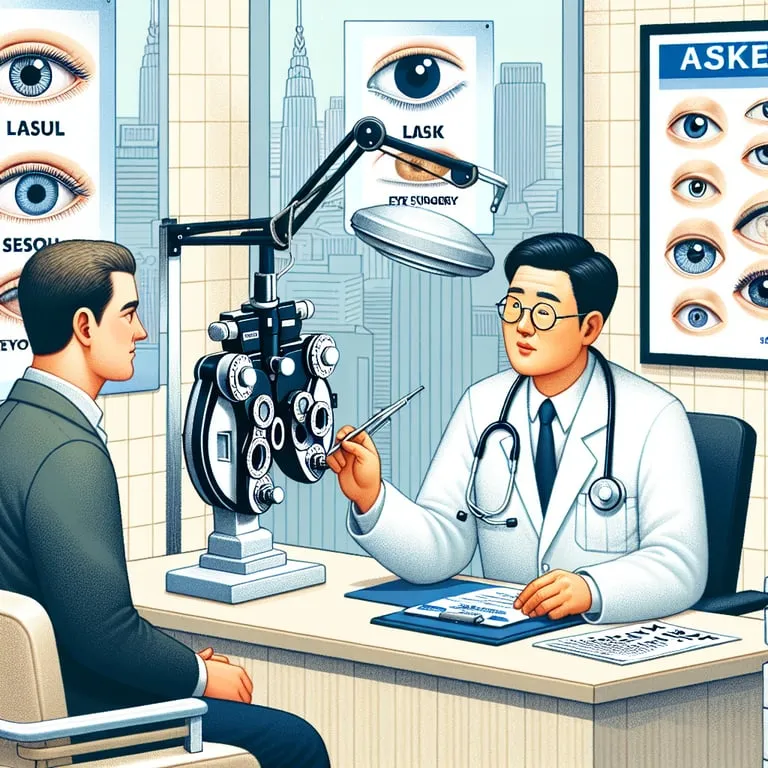
SMILE, PRK, and topography‑guided LASIK in Korea often cost $1,600–$3,000 both eyes with wavefront mapping and lifetime enhancement windows, versus $4,000–$6,000 in many US metros다
Dental is another sweet spot—zirconia crowns at $350–$600 each, All‑on‑4 from ~$9,000–$14,000 per arch depending on implant systems and bone grafting요
Clinics lean on CBCT 3D imaging, guided surgery, and in‑house labs that turn cases around fast다
Function, esthetics, and price converge in a way that makes a 10‑day trip make perfect sense요
Orthopedic and spine without the circus
Arthroscopy, meniscus repairs, rotator cuff, and minimally invasive spine decompressions are popular because return‑to‑function timelines are clear and rehab is structured다
Centers routinely use robotic assistance, navigation systems, and standardized ERAS pathways—less opioid use, earlier mobilization, fewer surprises요
For athletes and weekend warriors, that clarity is gold, and the bundled post‑op PT makes outcomes feel “owned” rather than left to chance다
People come home moving better and with a predictable plan their US PT can continue요
Fertility and women’s health momentum
Korean IVF clinics report clinical pregnancy rates that rival top US centers, with PGT‑A, ERA, and time‑lapse incubators as standard options요
Single‑cycle IVF packages often run $6,000–$10,000 excluding meds, compared with $15,000–$25,000 in the US, and some centers bundle monitoring and cryo fees다
For endometriosis, adenomyosis, and fibroid care, minimally invasive specialists are drawing Americans who want organ‑sparing options with quick recovery요
It’s not just affordability—it’s precision and patient education that demystifies the process다
Quality You Can Measure Beyond the Hype
The tech stack is serious
Think da Vinci Xi robots, O‑arm navigation, Zeiss microscopes, femtosecond lasers, and 3D facial scanners in routine consults요
Diagnostic depth matters—MRI with metal‑artifact reduction, low‑dose CT, dual‑energy scans, and high‑throughput ISO‑certified labs다
Protocolization reduces variance, and variance is the enemy of consistent outcomes요
That’s why the best Korean centers publish infection rates, revision rates, and LOS benchmarks you can scrutinize다
Outcomes and recovery protocols
Enhanced Recovery After Surgery is baked into prehab education, anesthetic choices, fluid management, and mobilization within hours, not days요
Measured benefits show up as fewer complications, lower readmissions, and happier patients who feel in control다
Cosmetic clinics use staged swelling management, lymphatic drainage, silicone taping, and LED photobiomodulation to speed healing요
You’re not guessing your way through recovery—you’re coached with intent다
Teams, communication, and language support
Major hubs assign English‑speaking coordinators for scheduling, quotes, and hand‑holding from airport pickup to discharge요
Clinicians often train in the US, UK, or Australia, and publish in peer‑reviewed journals, which builds trust quickly다
Consent forms, med lists, and pre‑op instructions come bilingual, and many clinics provide translated radiology and op notes for your US doctor요
It’s healthcare, but it feels like hospitality done right다
Data privacy and seamless payments
Reputable centers follow HIPAA‑analogous privacy norms and encrypt patient portals with MFA and audit logs요
Payments are straightforward—Visa, MasterCard, wire, and sometimes HSA or FSA with itemized invoices suitable for reimbursement다
International insurers and medical travel plans can pre‑approve major procedures, but pre‑cert is key요
Transparency plus documentation equals fewer headaches later다
The Money Math Americans Run Before Booking
Sample price benchmarks to sanity check
- Primary rhinoplasty: KRW 4.5–9.5M (~$3,500–$7,500), revision higher요
- SMILE vision correction both eyes: KRW 2.1–3.9M (~$1,600–$3,000)다
- Facelift deep‑plane: KRW 13–23M (~$10,000–$18,000) depending on scope요
- IVF cycle excluding meds: KRW 7.5–13M (~$6,000–$10,000)다
- All‑on‑4 per arch: KRW 11–18M (~$9,000–$14,000) depending on implant brand and grafting요
- Knee replacement: KRW 23–32M (~$18,000–$25,000) with rehab inclusions다
These are 2025‑typical ranges—always verify current quotes and what’s included요
Bundles, line items, and sneaky extras
Solid clinics itemize surgeon fees, anesthesia, OR time, implants, meds, garments, and follow‑ups so you can compare apples to apples다
Ask about lab work, imaging, pathology, and any “revision within 1 year” policy that could save you later요
Airport transfers, hotel nights, and a translator might be included, which can shave hundreds off your total다
Clarity up front prevents sticker shock at checkout요
Insurance, financing, and tax accounts
Electives like cosmetics are self‑pay, but medically necessary procedures may qualify for international coverage or OON reimbursement with proper documentation다
Bring CPT‑style descriptors, operative notes, and itemized receipts to support claims back home요
HSA and FSA funds often apply to vision, dental, and medically necessary surgeries—confirm before you swipe다
Financing exists, but cash discounts can be meaningful in Korea요
Currency, timing, and the flight factor
The KRW‑USD rate has hovered around a traveler‑friendly band, and even small shifts can save you hundreds on big cases요
Flying midweek often shaves 10–20% off airfare, and booking procedures early in your trip gives you buffer days for check‑ups다
Premium economy to lie a bit flatter post‑op is a smart splurge for certain surgeries요
Think of the flight as part of your recovery plan, not an afterthought다
How To Plan A Safe, Smooth Trip
Vetting clinics with a grown‑up checklist
Look for JCI accreditation, surgeon case volumes, complication and revision rates, and device transparency by brand and model요
Read primary‑source reviews with before‑afters taken on consistent lighting and angles, not just influencer reels다
Request a written treatment plan, risks, and alternative options, then pressure‑test it with your primary care or a second opinion요
If a clinic dodges specifics, move on fast다
A realistic timeline that doesn’t rush healing
- Day 0 arrival and rest요
- Day 1 consult, labs, imaging다
- Day 2–3 procedure and monitored recovery요
- Day 4–7 follow‑ups, light sightseeing within your limits다
- Day 8–12 suture removal or final check, then fly home if cleared요
- Week 2–4 remote follow‑ups by video, then local care as needed다
Building in buffer days is the best “insurance” you can buy요
Paperwork and simple logistics
A medical travel coordinator can generate invitation letters, appointment confirmations, and itemized quotes suitable for visas and insurance files다
Keep digital copies of passports, meds, allergies, imaging CDs, and prior op notes in a secure cloud folder요
Airline medical clearance forms may be needed for certain surgeries—your clinic will guide you다
Pack compression garments, meds, and a universal adapter, then thank yourself later요
Aftercare back home without drama
Before you fly, ask the clinic for your operative report, implant stickers, imaging, and a bilingual discharge summary요
Line up a US primary care or PT who’s willing to continue your plan, and share contact info for your Korean team다
Use secure messaging for wound checks and med questions; most centers are surprisingly responsive요
Good continuity makes the whole experience feel seamless다
Where Americans Go And Why It Works
Seoul neighborhoods that deliver
Gangnam and Apgujeong are the aesthetic powerhouses with ultra‑specialized teams and high case volumes요
Sinsa and Cheongdam bring luxe experiences and boutique clinics that focus on one or two procedures done exceptionally well다
Mapo and Yeouido offer great hospitals and easier access to the airport, with slightly calmer streets for recovery walks요
Pick the vibe that fits your procedure and personality다
Beyond Seoul for niche strengths
Busan shines for dental implants and coastal recovery stays with legit university hospitals nearby다
Daegu and Daejeon offer strong orthopedics and faster scheduling windows at competitive prices요
Jeonju and Gwangju have emerging fertility clinics with attentive, high‑touch care models다
Sometimes the best fit is a short KTX ride away요
Making the trip feel like you
Many clinics build “light wellness” into recovery—IV drips, gentle sauna alternatives, herbal consultations, and guided lymphatic care다
Food matters too—post‑op broths, low‑sodium banchan, and protein‑forward sets are easy to find when you know where to look요
Slow mornings, short river walks, and early nights beat aggressive tourism every time다
You’ll come home healed and not wiped out요
Quick Reality Checks Before You Book
Not everything should be done abroad
Complex oncology, high‑risk cardiothoracic cases, and transplant medicine are best handled close to your long‑term team다
If you’d need frequent follow‑ups, think twice and price the real cost of repeat travel요
Sensible boundaries protect outcomes and your peace of mind다
Pick procedures that pair well with one concentrated recovery window요
Red flags you should not ignore
All‑caps marketing, impossible before‑afters, non‑itemized quotes, and pressure to pay deposits in cash today are your cue to walk요
A great clinic will answer hard questions and document everything without defensiveness다
Trust your gut, verify with data, then decide with calm confidence요
Clarity is kindness in medical travel다
Bottom Line You Can Feel Good About
Americans aren’t flying to Korea for a gamble—they’re choosing a system that blends high‑end tech, meticulous protocols, and warm hospitality with thoughtful pricing요
When you put numbers, outcomes, and experience side by side, the case for Korea in 2025 is strong and getting stronger다
If your plan includes smart vetting, realistic timelines, and clear aftercare, you can have a safe, efficient, and even uplifting journey요
And yes, you can still sneak in a café hop and a sunset by the Han—just make it part of your healing, not a sprint다
If you want, I can help you compare quotes, decode line items, and draft a clean itinerary that respects your recovery and your budget요
This is your health and your story, and it deserves the best version of global care you can find다
답글 남기기