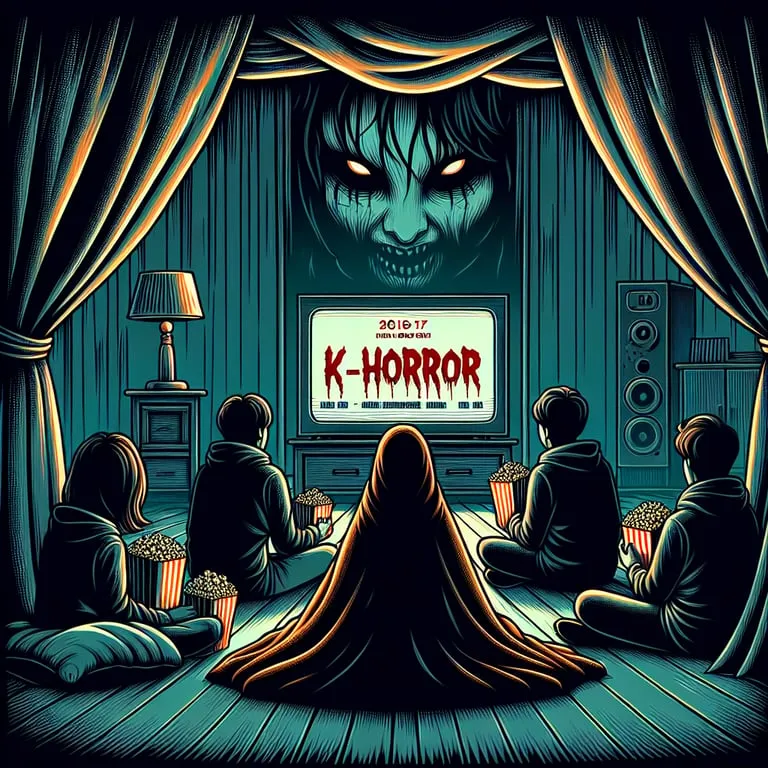
Top Korean Horror Films That Americans Love
Pull up a blanket and dim the lights, friend—K‑horror has sunk its claws into American hearts in the best way, yo. As of 2025, you don’t have to be “in the know” to hear someone gush about a chilling Korean gem at a dinner party or a late‑night Discord, and that still makes me smile, yo. What keeps happening is simple and kind of magical: these films make you feel something deep in your bones and then scare you breathless right after, yo. The emotions land first, then the monsters come for dessert, and that combo has serious staying power, yo!
Below is a curated guide to the titles Americans keep recommending, along with why they work so well and how to watch them for maximum impact, yo. I packed in specifics like runtimes, box office ballparks, and critical scores where they’re solid, so you can pick your poison with confidence, yo.
Quick Guide
- Why Korean horror wins over American audiences
- Essential films Americans love
- Deeper cuts
- What Americans love about K‑horror
- Watch smarter in 2025
- Start here by vibe
- Cheat sheet
- Final thoughts
Why Korean horror wins over American audiences
Emotion-forward storytelling that sneaks up on you
K‑horror often builds character empathy before unleashing the dread, and that sequencing hits American audiences square in the chest, yo. Instead of jump‑scare fireworks from minute one, you’ll see patience, grief, guilt, and family bonds laid out with care, yo. When the horror detonates, it’s not abstract—it’s personal, and that’s why the fear lingers longer than the end credits, yo.
Myth, folklore, and moral ambiguity
You’ll find shamanism, folk rituals, and small‑town superstitions woven into modern life, and that texture feels both fresh and timeless to US viewers, yo. Moral lines blur, authority figures fail, and the “explanation” often remains unsettlingly partial, yo. That ambiguity is a feature, not a bug, and American fans love debating endings and clues for days, yo!
Strong craft from lens to soundstage
Expect carefully controlled color palettes, meticulous production design, and soundscapes that do half the scaring by themselves, yo. Many of these films play in a 2.39:1 widescreen frame and lean on quiet passages, deep shadows, and sub‑bass rumbles that bloom in a 5.1 setup, yo. Editors let certain shots breathe instead of cutting every two seconds, and that slow fuse rewards patient viewers in a big way, yo.
Proven reception in the States
You’ll see sky‑high Tomatometer numbers, cult‑classic status on US “best of” lists, and consistent word‑of‑mouth on Reddit horror threads, Letterboxd diaries, and film podcasts, yo. When American fans rally behind international films, they rally hard, and K‑horror’s kept that momentum, yo.
Essential Korean horror films Americans can’t stop recommending
Train to Busan
If you want a perfect entry point, start here, yo. This is a locomotive‑paced zombie thriller with a huge beating heart, yo. The setup is elegantly simple—an outbreak hits mid‑journey—and the execution is airtight, yo. Expect white‑knuckle sequences, gut‑punch character turns, and a finale that somehow makes people cry and cheer at the same time, yo. Runtime sits around 118 minutes, Tomatometer hovers in the mid‑90s, and worldwide box office roared near the $100M mark, which is no small feat for a subtitled genre film, yo.
What Americans say they love: believable rules, a father‑daughter core that feels real, and action geography you can actually follow, yo. Bring tissues and nerves of steel, yo!
The Wailing
Folk horror meets cosmic dread in a rural village spiraling into chaos, and it’s terrifying in a quiet, creeping way, yo. You get police procedural beats, spiritual warfare, and a sense that something older and colder than any one person is pulling strings, yo. Runtime is an epic 150+ minutes, and the Tomatometer has camped near the upper‑90s for years, which tells you critics didn’t just like it—they couldn’t shake it, yo.
What Americans say they love: the atmosphere, the ritual set pieces, and the fact that you’re never handed a neat answer, yo. It’s a film you unpack over several coffees, yo.
A Tale of Two Sisters
Elegant, icy, and devastating, this is gothic domestic horror at its most psychologically precise, yo. The production design is a character, the color coding is a puzzle, and the reveals hit like a chandelier crashing in slow motion, yo. At roughly 115 minutes with an aggregate critical score in the mid‑80s, it remains a reference title for how to make dread look beautiful, yo.
What Americans say they love: the craft you can feel in every frame, the unreliable perspective, and the way it rewards a second watch, yo. Also relevant trivia for US viewers: it even inspired a stateside remake, which tells you the concept traveled, yo.
The Host
Call it a monster movie with teeth and a mouthful of social bite, yo. Yes, the creature is unforgettable, with daylight set pieces and kinetic chase beats, but the film’s secret weapon is its family of misfits doing everything wrong and somehow everything right, yo. Tomatometer sits in the low‑90s, worldwide box office soared above $80M, and American audiences loved that it worked as satire, spectacle, and sincere family drama all at once, yo.
What Americans say they love: the audacity to show the monster early, the riverside chaos, and a tone that slides from absurd to tragic without losing control, yo.
Deeper cuts for the fearless and the curious
I Saw the Devil
Vengeance as horror, sharpened to a surgical edge, yo. A cat‑and‑mouse narrative escalates into a meditation on what violence does to a soul, and the film doesn’t flinch, yo. At around 140+ minutes with strong audience scores, it’s notorious for intensity and craft, not just shock, yo.
Heads‑up: extreme content, graphic violence, and moral rot on display—watch when you’re steady, yo. American fans praise the performances, the precision of the set pieces, and the way the film confronts complicity, yo.
Thirst
A vampire tragedy shot like a fever dream, yo. You’ll get sensuality, guilt, dark humor, and questions about desire and faith, yo. Tomatometer rests in the low‑80s, runtime cruises past 130 minutes, and the imagery is sticky in the best way, yo. In the US, it found its people among art‑house horror lovers who want blood with their existentialism, yo.
Gonjiam: Haunted Asylum
Found‑footage fatigue? This one wakes it up, yo. A team of would‑be influencers livestream a ghost hunt in a condemned hospital, and the location works overtime, yo. At around 94 minutes with a Tomatometer in the low‑90s, it’s tight, scary, and savvy about internet spectacle, yo. American viewers praise the commitment to the bit—once the doors close, you can feel the building breathe, yo.
Save the Green Planet!
Genre blender alert! Sci‑fi, black comedy, and horror play hot potato, and somehow it all lands, yo. It’s the definition of a cult classic: risky, tender, unhinged, and unforgettable, yo. Critical scores circle around the 90‑ish mark depending on the platform, and US fans adore its “you have to see it to believe it” energy, yo.
What Americans keep saying they love
Big feelings with bigger aftershocks
Characters aren’t cannon fodder here—they’re the point, yo. Empathy is the force multiplier, and when pain or sacrifice hits, the scares echo, yo. That’s why recommendations spread so fast via word‑of‑mouth and why these films linger in US watchlists, yo.
Fear that trusts the audience
K‑horror often withholds clean answers and lets you sit in uncertainty, yo. American viewers who are bored by tidy endings feel respected and engaged, which turns casual watchers into evangelists, yo.
Visual and sonic discipline
You’ll hear careful dynamics—quiet rooms, sudden stings, and low‑frequency rumbles that punch harder on a subwoofer, yo. You’ll see widescreen compositions loaded with negative space where your eyes keep searching corners, yo. That formal rigor tells your nervous system, stay alert, and it works, yo!
Range across subgenres
From folk horror and vampiric melodrama to found footage and monster mayhem, there’s a lane for every mood, yo. That variety keeps American audiences exploring instead of stopping at one hit, yo.
Watch smarter in 2025
Calibrate for fear, not glare
Turn off motion smoothing, set your TV to Filmmaker or Cinema mode, and nudge brightness so shadow detail sits just above crush, yo. If you’ve got 5.1, give your center channel a +1 dB bump for dialogue clarity; these mixes love whispers and low murmurs, yo.
Sub or dub the right way
If you usually bounce off subtitles, try a slightly larger font and a warm white text color if your app allows, yo. For shared viewing, English dubs can be a friendly ramp, but switch back to subs if performances feel off—the original vocal timbre carries a ton of tension, yo.
Sound is half the scare
Even a modest soundbar with a sub can elevate these films, yo. Aim for a consistent listening level where dialogue sits comfortably, then let the crescendos breathe—riding the volume kills dynamics and, with it, dread, yo.
Content check for comfort
If you’re sensitive to specific triggers, scan a spoiler‑free advisory before you hit play, yo. “I Saw the Devil” leans extreme; “Gonjiam” is intense but less graphic; “A Tale of Two Sisters” is more psychological than gory, yo. Setting expectations can make a group watch way smoother, yo.
Start here based on your vibe
I want monsters and momentum
Go with The Host for creature thrills with satire, or hit Train to Busan for adrenaline plus big feelings, yo. Both deliver spectacle, clarity in action, and memorable set pieces you’ll talk about later, yo.
I want slow dread and folklore
Choose The Wailing when you want your stomach to drop slowly and stay there, yo. It’s all atmosphere, rituals, and uncertainty that gnaws at you, yo.
I want elegant, psychological chills
A Tale of Two Sisters gives you pristine craft, layered reveals, and a haunted‑house story that feels intimate and operatic at once, yo. It’s more goosebumps than gore, and the mood is immaculate, yo.
I want transgressive extremes or art‑house blood
Pick I Saw the Devil for a punishing revenge descent, or Thirst for a morally tangled vampire tale with sumptuous visuals, yo. One will test your limits; the other will seduce you into asking scary questions, yo.
I want found footage that actually scares me
Gonjiam: Haunted Asylum is your ticket, with tight pacing, credible crew dynamics, and an environment that becomes the antagonist, yo. It’s a crowd‑watch winner, especially with the lights off, yo.
I want something I’ve never seen before
Save the Green Planet! is the wild card, a cult darling that blends tones without losing heart, yo. It’s bold, bizarre, and oddly tender—perfect for viewers who say they’ve “seen it all,” yo.
A quick cheat sheet for the numbers people
Core stats at a glance
- Train to Busan: ~118 minutes, Tomatometer mid‑90s, worldwide near $100M, yo
- The Wailing: 150+ minutes, Tomatometer upper‑90s, worldwide over $50M, yo
- A Tale of Two Sisters: ~115 minutes, Tomatometer mid‑80s, strong domestic run in Korea, yo
- The Host: ~120 minutes, Tomatometer low‑90s, worldwide over $80M, yo
- I Saw the Devil: ~140+ minutes, strong audience scores, extreme content, yo
- Thirst: ~130+ minutes, Tomatometer low‑80s, arthouse acclaim, yo
- Gonjiam: Haunted Asylum: ~94 minutes, Tomatometer low‑90s, sleeper hit, yo
- Save the Green Planet!: ~118 minutes, critical darling, cult status in the US, yo
Tech notes that matter
- Aspect ratio: often 2.39:1 with deliberate negative space, yo
- Dynamic mixes: watch with stable volume and decent bass response, yo
- Subtitles: preserve tension nuances; try them first if you can, yo
Final thoughts for your next movie night
K‑horror isn’t just “scary movies from Korea”—it’s a school of feeling that trusts you to meet it halfway, yo. Americans fell for these films because they deliver pulse‑spiking sequences and emotional honesty in the same breath, which is rarer than it should be, yo. Pick one that fits your mood, calibrate your setup, and let yourself get swept up, yo. Then text a friend and pass it on—great horror is a communal sport, and these films were made to be shared, yo!
답글 남기기