How Korea’s Digital Customs Automation Affects US Importers요
If you source from Korea or buy from Korean brands, the way your freight moves and gets cleared is changing fast in 2025요
It’s the kind of change that quietly trims days off your lead time and exposes weak spots you didn’t know you had다
Sounds exciting and a little scary, right요
Let’s walk through what’s actually happening and how you can make it work for you without drama다
Quick navigation요
What Korea’s digital customs really looks like요
UNI-PASS and the National Single Window다
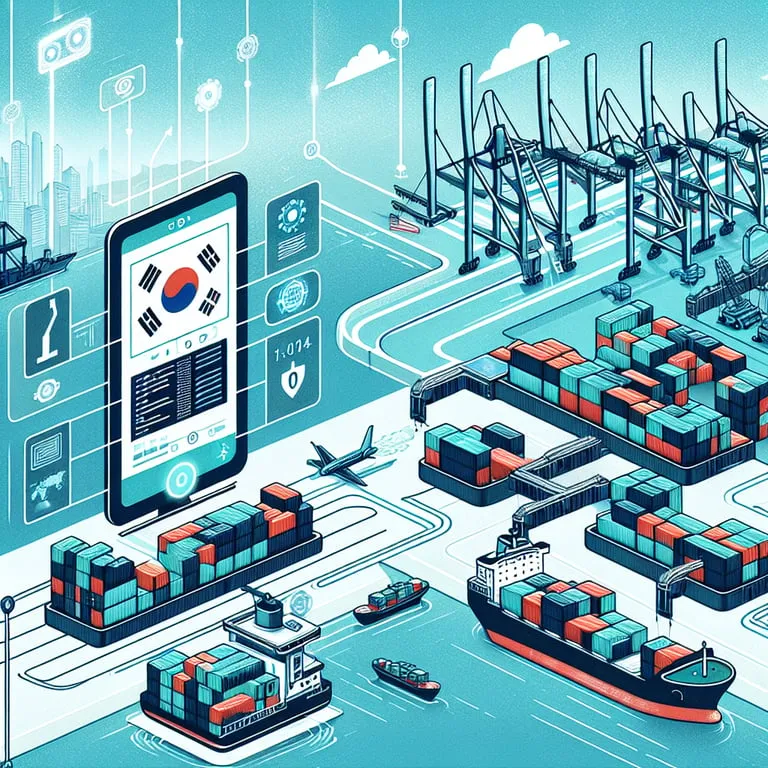
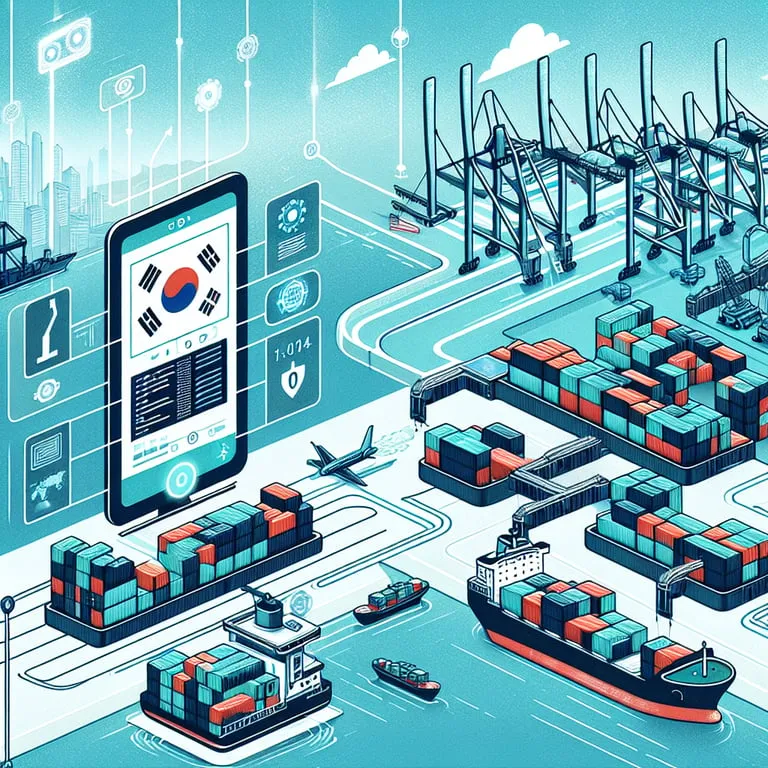
Korea Customs Service runs UNI-PASS, a fully digital platform that connects exporters, forwarders, carriers, ports, and regulators end‑to‑end요
Think of it as a National Single Window where shipment data is entered once and reused across export clearance, manifesting, and port gate moves다
It follows the WCO Data Model, which means structured fields for the who, what, where, and how of your cargo—party identifiers, HS codes, transport legs, and document references요
Because the data model is standardized, the same dataset can feed your US filings with minimal rekeying when your partners set it up right다
Risk management with analytics and profiles요
Korea leans heavily on risk engines that score shipments based on history, commodity risk, valuation patterns, routing, and AEO status다
Low‑risk cargo flows with fewer touchpoints, while high‑risk cargo is flagged for documentary checks or physical inspection요
The practical effect for you is a more predictable export timeline out of Korea, especially when your supplier base is consistent and compliant다
Predictability upstream translates into fewer rollovers and tighter vessel cut compliance downstream요
e‑Manifests and pre‑arrival processing다
Carriers and forwarders push electronic manifests to customs and port systems before arrival, enabling pre‑lodgment and earlier green lights at terminals요
Exports clear with digital documents—commercial invoice, packing list, origin data, and licenses—submitted through EDI or API rather than paper stacks다
This reduces human error, accelerates container gate‑out, and keeps your ETD/ETA variance tighter when weather or congestion throws curveballs요
For express and e‑commerce, pre‑arrival data means parcels can be released within hours rather than days when everything lines up다
AEO and the US MRA advantage요
Korea’s Authorized Economic Operator program has a Mutual Recognition Arrangement with the US, aligning trusted trader benefits across borders다
When your Korean supplier, forwarder, or consolidator is AEO, their cargo tends to see fewer holds in Korea and may enjoy smoother risk treatment when it lands stateside under CTPAT‑aligned practices요
Inspection rates for trusted shipments generally sit in the low single digits, which radically improves schedule reliability over a year다
If your supply chain taps into AEO partners, you’re effectively compounding benefits from door to door요
What changes for your US inbound flow다
Faster ISF and AMS alignment요
Because UNI-PASS data is structured and early, your forwarder can populate ISF 10+2 and AMS with fewer last‑minute scrambles다
Fewer discrepancies between house and master bills mean fewer ISF updates and fewer nastygrams for late filings요
When the commodity, party, and routing data match what left Korea, CBP gets a clean picture earlier, and that calms everything down at the terminal다
It’s amazing how much demurrage disappears when your data is boring and correct요
More reliable ETAs and fewer inspections다
Digital export clearance cuts variability at origin, which is where most delays are born요
When origin variability drops, your ETA bands tighten and your truck appointments in the US hold better다
Fewer random inspections upstream can correlate with fewer downstream exceptions because risk factors are consistent across the journey요
Lower variance equals better labor planning at your DC, and that’s real money in peak season다
KORUS origin proofs go digital요
Under KORUS, you can substantiate preferential duty claims with a certification containing required data elements, and Korea’s systems make producing and storing those easier다
Electronic certifications with traceable bill‑of‑materials, producer identities, and HS rule references are increasingly standard among Korean exporters요
That traceability is gold when CBP requests a verification or desk audit months later다
Cleaner origin data means fewer denied claims and more predictable landed cost modeling요
E‑commerce and Section 321 realities다
Korea’s e‑commerce ecosystem plugs into customs with parcel‑level data, which pairs well with US Section 321 and Entry Type 86 workflows요
But higher data transparency also means misdeclared values or vague descriptions get flagged more often, even when the parcel qualifies for de minimis다
If you’re running high‑velocity DTC shipments, your fill‑rate depends on SKU‑level accuracy and consistent HS mapping between Korea and the US요
Get the digital plumbing right and your conversion rates won’t suffer from customs surprises다
Risks and gotchas to watch요
Classification mismatches and AD/CVD flags다
Automation amplifies both good and bad data요
If your Korean supplier uses an HS that doesn’t map cleanly to the US HTS, you’ll see post‑entry corrections, liquidated damages risk, or AD/CVD exposure on sensitive lines like steel, batteries, or semiconductors다
Build and maintain a crosswalk with rule notes and binding rulings where possible요
A two‑hour classification workshop can save a two‑month penalty hangover다
Data discrepancies and penalty exposure요
UNI-PASS data is precise, and CBP’s ACE expects the same precision다
Name and address mismatches, inconsistent weights, or shipper‑consignee confusion can trigger holds or ISF penalties even when the goods are clean요
Lock down your master data—GLNs, EORI equivalents, and CAGE where applicable—and enforce partner templates다
Automate validations so fat‑finger errors get caught before they leave Korea요
System outages and contingency plans다
APIs are wonderful until they aren’t요
If a platform hiccup hits during a vessel cutoff, you need a fall‑back: alternate EDI pipes, manual submission playbooks, and escalation contacts at your broker다
Timeboxed SLAs and a clear RACI keep you from missing the stack because someone waited for a ticket reply요
Redundancy is cheaper than rolling a sailing다
Privacy and vendor governance요
More data is moving, and that means more vendors touching your commercial secrets다
Vet who holds your documents, where they’re hosted, and how long they’re retained요
Ask for SOC 2 or ISO 27001, and confirm data minimization—only what’s needed flows across borders다
You’ll sleep better knowing your pricing and BOMs aren’t wandering the internet요
How to integrate without breaking a sweat다
Map to the WCO Data Model요
Start with a field‑by‑field data dictionary from purchase order to customs entry다
Use WCO element IDs to align supplier documents with your broker schema and ACE entry fields요
If a field isn’t reliably sourced, fix the upstream process rather than patching it at the pier다
Data that’s right at the start stays right at the finish요
Build API pipes to your partners다
Ask your Korean forwarders which UNI-PASS or Single Window messages they support and how they can expose them to you요
Stand up lightweight APIs or managed EDI for bookings, commercial docs, and status milestones—received, cleared, loaded, departed다
Event‑driven updates let you trigger ISF, insurance binds, and DC labor scheduling automatically요
No more chasing spreadsheets across time zones다
Upgrade your broker playbook in ACE요
Align your broker with your Korea‑origin profile—ports of lading, common commodities, and AEO partners다
Standardize entry instructions, PGA flags, and common special programs so entries are consistent across filer codes요
Schedule quarterly post‑entry audits and build auto‑reports on RLF usage, exam rates, and entry corrections다
Consistency is a quiet superpower in customs operations요
Audit and simulate before peak season다
Run test entries with live‑like data, then simulate holds, price changes, and origin challenges요
Measure cycle times from doc ready to “entry on file” and stress the process with a mock outage다
A tabletop now saves detention, storage, and overtime later요
Practice turns uncertainty into throughput다
Metrics and ROI you can actually measure요
Lead time and dwell time deltas다
Track order‑to‑sail and arrival‑to‑availability down to the hour요
Digital export clearance should shave variability, even if the averages move only a little다
Fewer long tails make planning smoother, which is the real prize요
If you can predict, you can commit다
Exception rates and inspections요
Follow rates for ISF corrections, exams, and document rejections by lane and partner다
AEO‑backed lanes typically show fewer exceptions, which you can verify quarter over quarter요
When exceptions drop into low single digits, detention evaporates and trucking becomes routine다
People forget how expensive “non‑routine” actually is요
Duty savings and preference utilization다
Measure KORUS claim rates, CBP verifications, and denied claims as a percentage of eligible entries요
Digital origin records should lift your utilization and reduce clawbacks다
The win isn’t just duties saved—it’s avoiding administrative churn that eats bandwidth요
Savings you can keep are better than savings you have to defend다
Cash flow and inventory turns요
Earlier clearances mean earlier availability and lower safety stock다
When lead time variance falls, you can cut buffers without risking stockouts요
That frees cash while keeping service high—finance loves this story다
Operations loves sleeping through the night even more요
2025 outlook and practical moves다
Regulatory horizon to watch요
Expect tighter data quality enforcement across both KCS and CBP as digital rails mature다
High‑risk categories—lithium batteries, microelectronics, textiles, and chemicals—will see more targeted scrutiny요
Sustainability and traceability data could piggyback on customs messages as regulators align supply chain disclosures다
Design your data once and reuse it wherever the rules demand요
Tech bets worth making다
Invest in master data, API connectivity, and a rules engine for HS and origin logic요
eBL pilots and port community integrations around Busan and Incheon will keep expanding, shrinking paper friction다
Document intelligence tools that read commercial invoices and packing lists to structured fields are ROI‑positive when tuned to your SKUs요
Buy less “AI magic,” and more boring automation that never calls in sick다
Team skills and governance요
Upskill planners and sourcing folks on HTS basics, KORUS rules, and entry types다
Create a single owner for customs data quality with the authority to fix upstream processes요
Tie broker KPIs to your exception rates and cycle times, not just clearance within SLA다
When incentives match outcomes, headaches disappear요
Quick checklist to start Monday다
- Confirm which Korean suppliers and forwarders hold AEO status and tag them in your TMS요
- Build a WCO‑aligned data map from PO to ACE and identify missing fields다
- Stand up or tighten APIs for docs and milestones with your Korea partners요
- Standardize KORUS certifications and store proofs in a searchable repository다
- Schedule a tabletop for an ISF outage and a last‑minute HTS change before peak요
Wrapping it up요
At the end of the day, Korea’s digital customs automation isn’t a black box—it’s a cleaner pipe for the data you already own다
If you align your partners, map your fields, and practice your exceptions, you’ll ship faster, land softer, and sleep better요
And hey, when shipments glide through and your team isn’t firefighting at midnight, you’ll feel the difference in your bones다
Let’s make this the year your Korea lanes become the calmest part of your network요
답글 남기기