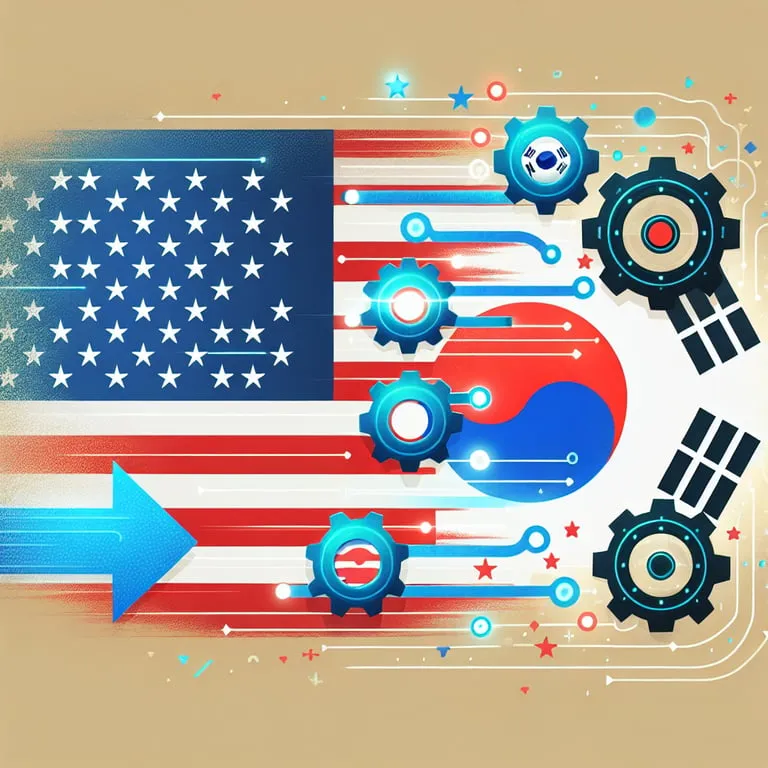
Why Korean AI‑Powered Workforce Compliance Tools Are Expanding in the US
The US labor and AI governance maze is tougher than ever, and that’s exactly why Korean AI‑powered workforce compliance tools are landing on US shortlists요
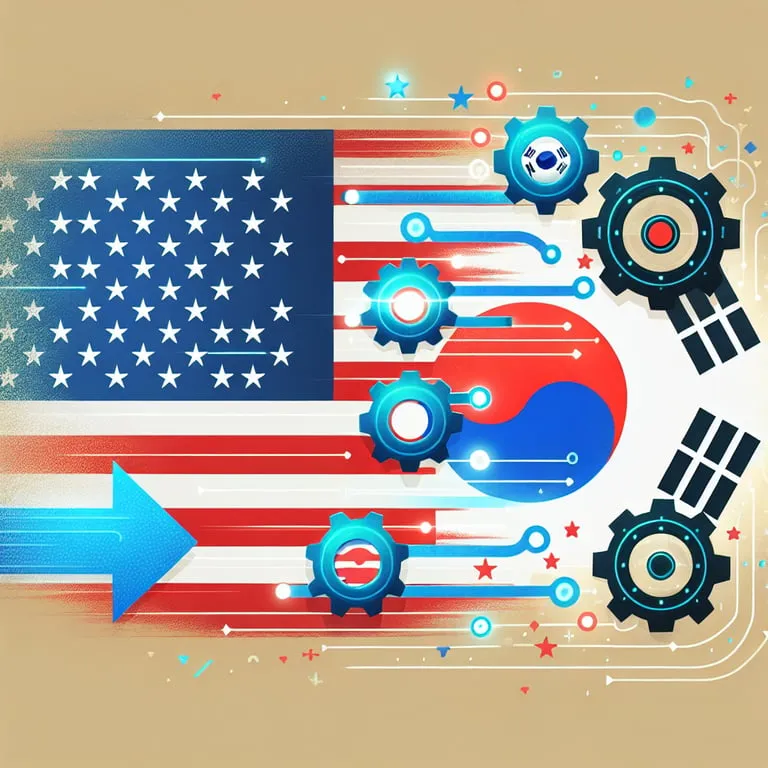
It’s not just buzz or a novelty trend, it’s a practical response to real operational risk, real fines, and real pressure to move faster with fewer people다
Let’s unpack what changed, what these platforms actually do, and how to evaluate your options without getting lost in jargon요
The US Compliance Maze Got Harder
Fifty states and a thousand cuts
America’s patchwork of federal, state, and city rules has gone from “complicated” to “constant change”요
FLSA overtime, FMLA leave, OSHA safety, EEOC anti‑discrimination, and a growing stack of pay transparency mandates create a dense web where a single policy mis‑alignment can trigger class actions or agency investigations다
As of 2025, pay transparency laws exist in over ten states plus several cities, and paid sick leave mandates span dozens of local ordinances and over a dozen states, which is a lot to keep straight at scale요
Local “Fair Workweek” rules in places like New York City, Seattle, Chicago, and San Francisco add predictive scheduling, rest time, and penalty pay complexity that traditional HRIS was never designed to handle다
Wage and hour risks at a new pitch
The US Department of Labor’s 2024 overtime rule raised the salary threshold to $844 per week and slated $1,128 per week for 2025, while litigation has added uncertainty to when and where each tier applies요
That means classification workflows must simulate both thresholds, track exemption criteria, and capture explanations in case auditors ask why a role was exempt or nonexempt다
In retail, logistics, and hospitality, misclassification and timekeeping errors routinely generate seven‑figure settlements, pushing leaders to adopt proactive monitoring and anomaly detection rather than reactive fixes요
Saying “we’ll fix it in the audit” is not a plan anymore다
AI in hiring is under the microscope
NYC’s automated employment decision audit requirement (Local Law 144) forced teams to think seriously about bias testing, documentation, and candidate notices요
California regulators have proposed rules making it crystal clear that automated decision systems used in employment must avoid disparate impact and provide notice and explanation다
Colorado’s broad AI law passed in 2024 will affect “high‑risk” employment systems with duties around risk management, disclosures, and impact assessments as timelines phase in, which nudges US employers to choose vendors with built‑in governance now요
Even when a law isn’t live yet, procurement teams want evidence that a vendor can pass an independent bias audit with statistical tests like demographic parity difference and equalized odds다
Documentation or it didn’t happen
Auditors expect granular logs showing what data was used, what rules fired, who approved the decision, and what changed over time요
If a rulebook update moved an employee from nonexempt to exempt, you’ll need versioned policy artifacts, model snapshots, and a rationale that any investigator can follow다
The modern standard is seven years of immutable audit logs with field‑level lineage and provable integrity, which is a step beyond the change logs most HR systems provide요
That’s a heavy lift if your stack relies on spreadsheets and email approvals다
Why Korean Vendors Fit This Moment
Built in the pressure cooker
Korean enterprise vendors grew up under PIPA, one of the world’s strictest data protection laws, and a culture of rigorous audits, which shaped privacy‑by‑design and detailed logging as defaults요
They’ve been shipping explainable models and structured approvals because East Asia’s regulators and large employers have demanded it for years다
This background translates well to US buyers who must answer hard questions from legal, auditors, and works councils or unions요
The result is platforms that treat compliance as a first‑class product capability, not a bolt‑on module다
Strong at multilingual and edge‑aware automation
Korean teams are exceptionally good at multilingual NLP and on‑device or edge inference, which matters when you’re parsing policy changes, reading forms, or running kiosk‑side checks without leaking sensitive data요
That also means faster, cheaper inference for high‑volume tasks like timecard anomaly detection, I‑9 document parsing, and overtime eligibility checks다
Pair that with MLOps that refresh models weekly with retrieval‑augmented generation (RAG) from official rule sources, and you get tools that stay current without manual re‑coding요
Less drift equals fewer surprises during audits다
Pragmatic pricing and speed
You’ll see usage‑based pricing with guardrails, 99.9–99.99% uptime SLAs, and SOC 2 Type II by default across serious Korean contenders요
Many offer deployment in under 8–12 weeks, including HRIS connectors and workflows mapped to your policy library다
When US teams are asked to “do more with less,” the combination of speed, cost control, and measurable risk reduction is compelling요
No wonder shortlists are changing fast다
What These Platforms Actually Do
A living rules engine
Think of a policy engine that encodes federal, state, and local rules, then compiles them into testable checks against your roster, schedules, and pay data요
You can run what‑if simulations, like “What happens if the DOL overtime threshold increases in Q3” or “How many stores are violating predictive scheduling this week”다
Rules carry citations, effective dates, and jurisdictional scope, and when a law sunsets or updates, the engine nudges you to review and re‑publish요
Legal teams love the redline view with side‑by‑side diffs and e‑sign approvals tied to audit trails다
Explainable classification and fairness tooling
For exemption decisions and hiring screens, models produce feature importance, SHAP explanations, and fairness metrics across protected classes요
You’ll see dashboards flagging a 6–8% demographic parity gap well before it becomes a legal problem다
When a screen fails a threshold, the system offers mitigation playbooks, such as feature masking or threshold adjustments with before‑and‑after metrics요
Humans approve the final configuration, and the platform captures who approved and why다
Scheduling with compliance guarantees
Retail and logistics users get predictive labor scheduling that honors local rest rules, premium pay, and posted schedule lead times요
The system proposes schedules with a “compliance confidence score” and simulates penalty pay exposure if managers override constraints다
In a typical rollout, overtime overages drop 20–30% and predictability pay penalties fall in the first quarter, simply by catching conflicts before they hit the floor요
Managers keep control, but the software shows the true cost of each choice다
Document automation for I‑9 and E‑Verify
Computer vision reads I‑9 supporting documents and validates fields with confidence scores, routing edge cases to humans요
For employers enrolled in E‑Verify, the tool tracks the three‑business‑day clock, flags tentative nonconfirmations, and maintains a secure audit bundle per employee다
With remote verification options now standardized for qualified employers, capture quality and location attestation matter even more요
Reducing rescans saves hours at scale다
Trust, Privacy, and Governance
Data minimization and residency
Korean vendors typically ship with data minimization, encryption at rest and in transit, and role‑based access with Just‑In‑Time elevation요
US customers can choose regional clouds with on‑shore storage, data retention rules per data class, and zero‑copy analytics where feasible다
Backups are encrypted with key separation and tamper‑evident logs, which eases auditor anxiety요
Default safe settings beat “we can configure that later” every time다
Bias audits and repeatable method
Bias testing is not a one‑off report, it’s scheduled, versioned, and repeatable with the same cohort definitions and thresholds요
Platforms track demographic parity difference, selection rate ratios, equalized odds, and calibration error by group다
Each run stamps the exact dataset snapshot, model hash, and parameters so you can reproduce results months later요
That reproducibility is gold during regulator or plaintiff discovery다
Human in the loop in the right places
Workforce decisions carry legal and human stakes, so Korean platforms lean into human checkpoints where the law expects judgment요
Examples include final exemption determinations, offer rescinds, or escalated leave denials with documented rationale다
The system orchestrates reviewers, service‑level targets, and one‑click escalation to legal, then locks the record with a crypto timestamp요
You get speed without losing accountability다
Certifications and controls
Serious vendors arrive with SOC 2 Type II, ISO 27001, SSO, SCIM, granular data masking, and secrets management that passes enterprise pen tests요
Some pursue FedRAMP‑adjacent control mappings even if they don’t sell to federal agencies yet다
You’ll also see DLP, anomaly alerts on bulk exports, and hardware‑backed keys for admin accounts요
Security that’s visible builds trust faster다
ROI You Can Actually Measure
Hard cost avoidance
Avoided fines and settlement risk matter because wage‑and‑hour penalties add up quickly요
Teams report 20–40% reductions in overtime leakage and premium pay penalties after go‑lives, plus fewer attorney hours spent firefighting audits다
If one statewide audit can cost six figures in internal time, cutting incidents by half pays for the platform quickly요
Finance understands that math다
Efficiency and accuracy
AI‑assisted policy updates turn week‑long rule changes into hours, with legal still in the loop요
I‑9 error rates drop as CV catches mismatches and missing fields before submission다
Help desk tickets fall as managers get in‑product guidance and pre‑validated actions요
Ops leaders love seeing green dashboards on a Monday다
Implementation in Weeks Not Years
Typical rollouts land in 8–12 weeks with a two‑sprint pilot, then a phased jurisdictional expansion요
Pre‑built connectors for Workday, ADP, UKG, BambooHR, and Okta speed the path to value다
A clean data pass, policy mapping workshop, and change‑management plan are the critical path items요
No big‑bang weekend cutovers needed다
How To Evaluate Vendors In 2025
Must have capabilities
Look for a rules engine with jurisdiction scoping, version control, and redlining, plus explainable ML with fairness testing요
Demand immutable audit logs, seven‑year retention, and dataset lineage down to field level다
Insist on bias audit templates aligned to applicable laws, not just generic stats요
Privacy features should default to least privilege, not best effort다
Questions to ask during demos
Ask how the vendor updates legal content and what their SLA is for rule changes요
Request a live replay of an audit scenario with dataset hash, model version, and approval chain다
Probe how they handle edge cases, escalations, and conflicting jurisdiction rules요
If they can’t show it live, it probably isn’t real다
Pilot design that proves value
Pick two jurisdictions with different rules and one high‑risk workflow like scheduling or overtime classification요
Define success metrics up front, such as a 25% reduction in predictability pay penalties or a 50% drop in I‑9 corrections다
Run a four‑week pilot with weekly steering check‑ins and a freeze on surprise scope changes요
Close with a formal findings deck so finance can sign off다
Integration and change management
Confirm HRIS, payroll, and identity integrations with a sandbox test and security review요
Map roles and approvals to your org chart and agree on who owns policy updates다
Train managers with scenario‑based exercises and measure adoption weekly요
Good tooling plus good habits beats tooling alone다
Why Korean Tools Specifically
Enterprise muscle with startup speed
Korean vendors blend big‑company reliability with startup iteration cadence, shipping frequent, safe updates요
You get the repeatability auditors want and the velocity ops teams love다
That balance is rare and valuable in compliance‑heavy domains요
It shows up as fewer surprises and faster wins다
Design that respects people
Workforce software lives in sensitive moments, and Korean product teams tend to obsess over clarity, empathy, and explainability요
Screens show plain‑English reasons, costs, and alternatives rather than opaque errors다
That reduces pushback and makes adoption feel natural요
People trust what they can understand다
Global ready from day one
If you run cross‑border teams, you need locale‑aware rules, currencies, time zones, and multilingual notices요
Korean platforms often support these natively because their customer bases are global다
That means fewer custom projects and faster expansion when you add sites요
Global readiness is a real accelerant다
Looking Ahead
The regulation horizon
Expect more pay transparency jurisdictions, more biometric privacy enforcement beyond Illinois BIPA, and continued scrutiny of automated employment tools요
Colorado’s AI law will nudge vendors and buyers toward formal risk management programs as effective dates approach다
Federal agencies will keep issuing guidance even when Congress is quiet요
Plan for change as a constant다
GenAI without the risk hangover
The smart path is retrieval‑grounded generation with granular citations and redlines, not free‑form policy writing요
Keep humans in the loop and require deterministic steps for high‑risk actions다
Choose vendors that can prove what the model saw and why it produced each suggestion요
You want speed with receipts다
A better employee experience
Transparent explanations, fair schedules, and accurate pay build trust faster than any memo요
Compliance can feel like care when the system respects time and choice다
That’s good for people and great for the business요
It’s a win‑win you can actually measure다
The Bottom Line
US compliance is getting tougher, not simpler, and Korean AI‑powered tools are expanding here because they’ve been engineered for rigor, speed, and empathy from the start요
If you’re tired of whack‑a‑mole policy changes and audit anxiety, this is the moment to pilot a platform that turns rules into reliable workflows다
Pick a small but meaningful scope, define success in numbers, and demand proof you can replay a year from now요
You’ll sleep better, your managers will move faster, and your employees will feel the difference다
답글 남기기