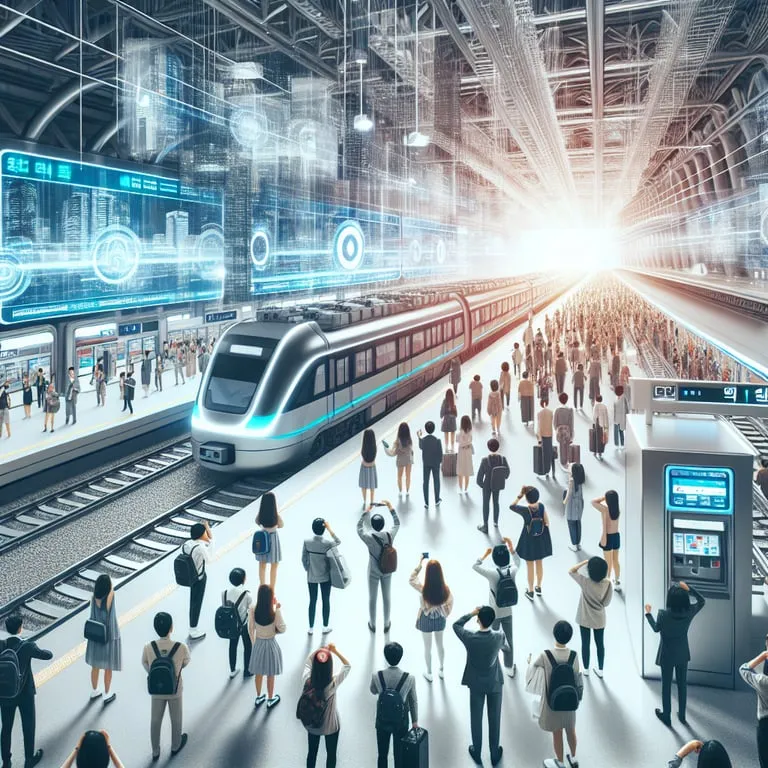
How Korea’s Smart Rail Infrastructure Technology Gains US Transit Interest
If you follow transit news in 2025, you can feel it in the air—the United States is paying close attention to what’s working on Korea’s rails, and not just in passing yo
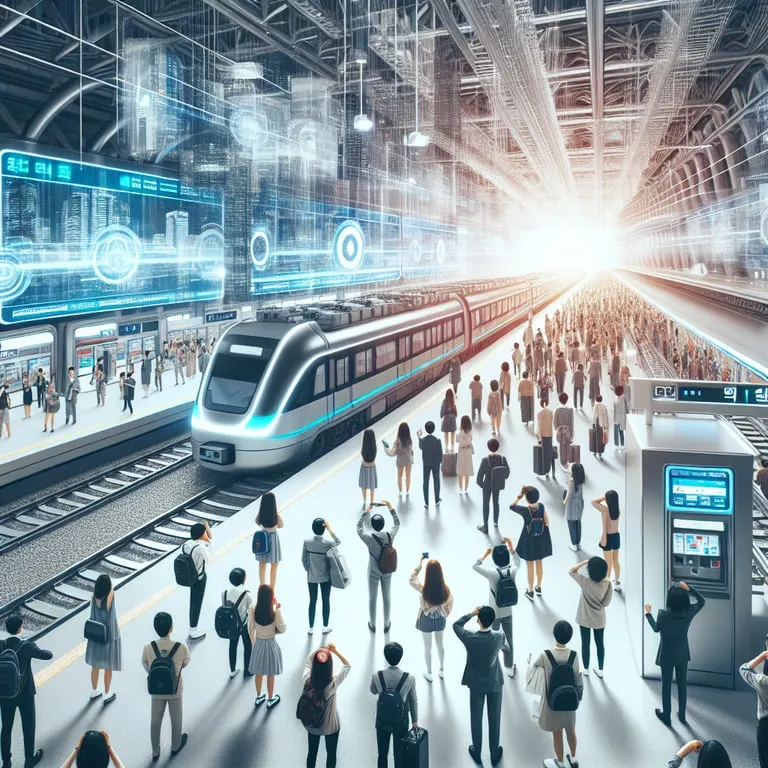
It’s the mix of lightning-fast operations, obsessive safety, and quietly brilliant software that turns steel and concrete into a living, learning network da
And honestly, it makes sense, because when agencies are chasing higher frequency, better on‑time performance, and safer platforms without exploding budgets, Korea’s recipe reads like a calm, time‑tested playbook yo
Let’s walk through what’s drawing the US gaze, what tech is actually under the hood, and how it can plug into American constraints like Buy America, legacy signaling, and hurricane‑season resilience, step by step, like friends swapping notes after a good ride along the line yo? ^^ da
Why US agencies are looking to Korea in 2025
Capacity and reliability at metro scale
Seoul’s urban network runs trains at crush‑hour headways near 2 minutes on many lines, with designed throughput that can dip toward 90 seconds in fully automated segments when dwell time and platform management cooperate yo
That kind of cadence does not happen by magic—it’s the outcome of CBTC, precise ATO, passenger flow modeling, platform screen doors, and ruthless attention to dwell variance down to seconds da
For US systems dreaming of throughput gains without billion‑dollar new tunnels, those seconds add up to the equivalent of an extra track in the peak hour, and that’s the quiet superpower people notice yo
In practice, cutting average dwell by 5–10 seconds at four busy transfer stations can buy 6–12% more peak capacity, which is often the cheapest capacity you’ll ever “build” da
Safety by design, not just by enforcement
Korean metros lean heavily on platform screen doors (with coverage across the vast majority of stations), intrusion detection, and continuous train integrity monitoring tied to central control yo
US systems already have PTC as baseline on mainline rail, but subways and light rail are looking for the next layer—automated platform protection, wrong‑way detection, and ATO with finely tuned braking profiles that preserve both safety and schedule da
When you combine PSDs with CBTC and ATO, platform incidents drop and operators can run closer headways without fear of unpredictable stops, which in turn stabilizes energy use and timetables yo
That safety‑first architecture is a big part of why delegations come away saying, “We can buy ourselves reliability by engineering out chaos,” and that’s a refreshing shift from merely policing behavior da
Customer experience that earns trust
Tap‑and‑go, fare capping, intermodal transfers across bus, metro, and commuter rail, and clear wayfinding built into apps and stations—Korea’s mobility ecosystem treats the rider as an API client with rights yo
Reduced transaction friction turns into smoother boarding, shorter dwell, and cleaner data for planning, which loops back to better schedules and targeted crowd management where it matters most da
Door‑to‑door travel time beats line‑haul speed for most riders, and Korea’s integrated payments plus high‑frequency bus feeders keep that experience coherent end‑to‑end, day and night yo
Riders forgive delays when information is honest and granular, and Korea’s habit of publishing real‑time train load and ETA down to seconds is the gold standard many US cities want to emulate da
Cost and schedule discipline through systems integration
Underneath the hardware, Korea’s agencies tend to drive projects with performance‑based specs and systemwide integration labs that test software and interfaces before contractors touch the line yo
Finding the bad handshake between signaling, door control, and traction software in a lab saves months of field pain, and that’s a discipline US owners can adopt without changing a single bolt pattern da
The result is fewer “late surprises,” cleaner cutovers, and a habit of solving service problems in the back‑office before riders feel them, which is exactly the culture shift American boards are asking for in 2025 yo
When people say “do more with less,” this is what they usually mean—build integration muscle and let it compound across projects da
The Korean tech stack US operators are exploring
Communications‑Based Train Control with pragmatic ATO
CBTC enables moving block or quasi‑moving block operations, cutting headways by shrinking the safe separation distance dynamically and smoothing braking curves yo
Korea pairs CBTC with ATO tuned for passenger comfort and predictable dwell behavior, often aiming at Grades of Automation that range from GoA2 to GoA4 depending on line context da
In practical terms, a well‑calibrated ATO can reduce run‑time variance by double digits and unlock tighter, more reliable timetables without pushing drivers or equipment to the edge yo
For US agencies, the message is not “rip and replace,” but “prioritize corridors where signaling upgrades can deliver headway compression, and stage ATO to protect your schedule and rolling stock simultaneously” da
LTE‑R today and FRMCS tomorrow
Korea was early to standardize LTE‑R, a rail‑grade LTE for mission‑critical voice, video, and data, improving latency and resilience compared to legacy radio yo
This backbone supports MCPTT, live CCTV backhaul from trains, and reliable ATO communications, with migration paths toward FRMCS and 5G as spectrum and standards mature da
US railroads that already operate PTC over I‑ETMS or ACSES can segment mission‑critical comms to a rail‑grade LTE layer while planning for FRMCS convergence, reducing single‑point failures in the radio stack yo
The key is making comms an integral part of the safety case and the service plan, not an afterthought tucked into “telecoms” at procurement time da
Predictive maintenance with sensor fusion and AI
Korean operators fit rolling stock and wayside with vibration, temperature, current draw, and door‑cycle sensors, then fuse those streams in a data lake for ML‑based condition monitoring yo
Typical targets include door mechanisms, traction inverters, pantographs, wheelsets, point machines, and tunnel environmental controls—assets where early anomaly detection avoids service‑sapping failures da
It’s common to see double‑digit reductions in unscheduled downtime after the first year once models are trained, plus a smoother spare‑parts curve and fewer “ghost failures” that steal peak capacity yo
For US agencies under state‑of‑good‑repair pressure, condition‑based maintenance brings order to the chaos and gives procurement teams a clear story for stocking the right parts at the right time da
Integrated control centers and digital twins
Seoul’s network leans on integrated operation centers where signaling, power, platform doors, tunnel ventilation, and passenger information sit on shared situational awareness dashboards yo
Digital twins simulate everything from traffic to smoke extraction, enabling “tabletop” exercises before a single bolt is tightened in the field, reducing risk in cutovers and incident response da
Those twins also host scenario planning—what if we add 6% more trains at the peak, or close a transfer for construction, or push 10% more ventilation during a heat wave—then feed the answers into service plans and contracts yo
That level of pre‑emption is a force multiplier US control rooms can adopt as they modernize SCADA and signaling together da
What this means for US operations
Headway compression without heroics
With CBTC plus ATO and platform discipline, it’s realistic to cut peak headways by 10–20% on targeted corridors without new tunnels, provided dwell variance is tamed with PSDs or active platform management yo
That added throughput translates to thousands of riders per hour in capacity gain—equivalent to fleets of buses—using assets you already have more intelligently da
It also gives schedule planners more room to recover from minor perturbations, which is a quiet way to make a system feel faster without changing top speeds yo
Nobody complains about a train that simply shows up like clockwork, and that reliability dividend compounds into better rider trust and cleaner operations data da
State of good repair powered by data
Condition‑based maintenance lets shops plan mid‑life overhauls and component swaps based on health metrics, not calendar anniversaries, which protects the fleet in a budget‑sensitive way yo
By pairing ML predictions with technician expertise, agencies typically see fewer change‑outs at the platform edge and more repairs done in shop windows that don’t disrupt service da
Even a modest 5–8% improvement in mean distance between service‑affecting failures can translate into a measurable on‑time lift during the peak, and boards feel that in their KPI dashboards yo
This is the less glamorous side of “smart,” but it’s where the money is saved and the uptime is earned da
Safer platforms and resilient tunnels
Platform screen doors cut track intrusions dramatically and stabilize dwell, while intrusion detection and thermal analytics in tunnels catch safety issues before they escalate yo
Korean designs also prioritize flood protection and ventilation control tied to sensors, a resilience layer US systems value as extreme weather tests infrastructure more frequently da
Add centralized smoke management models and you get faster, more confident incident response that riders notice only as calm, clear announcements and quick recoveries yo
Safety culture is a thousand tiny decisions done right, and Korea’s systems show how software and hardware make that culture real on bad days and good ones da
Open payments and MaaS that actually works
Korea’s journey from smart cards to mobile wallets to integrated fare capping offers a blueprint for US agencies rolling out open‑loop contactless with cEMV and account‑based back ends yo
When payment friction drops, dwell time falls, evasion signals improve, and planners get cleaner OD matrices for service design and equity analysis da
Tie that to MaaS features—bike share, microtransit, commuter rail transfers—and your rider’s day becomes a single, legible experience instead of a stack of separate tickets yo
This is where technology meets dignity, and it’s hard to go back once riders feel the difference da
Real bridges already built between Korea and the US
Rolling stock footholds that opened doors
Korean manufacturers have delivered commuter rail coaches and EMUs to multiple US agencies over the past decade, bringing crash energy management, updated HVAC for heat waves, and high‑reliability door systems yo
Those fleets created relationships, parts pipelines, and test learnings that make the next generation of upgrades—signaling, communications, and maintenance analytics—easier to adopt together da
Once a shop crew trusts a vendor’s engineering and response times, it’s a short hop to pilot software tools or new subsystems on familiar platforms yo
That continuity matters in US contexts where workforce capacity and change management can make or break a project timeline da
Study tours, pilots, and knowledge exchange
US delegations have spent time in Seoul control rooms and test labs, watching ATO cut variance and PSDs steady dwell, then brought those playbooks home for pilots on select corridors yo
Shortlist pilots include platform safety packages, CBTC segments on congested lines, and LTE‑R‑style mission‑critical comms trials that de‑risk a bigger rollout da
These are not “copy and paste” exercises—they’re translation projects that fit local rules, unions, and maintenance realities while protecting the core performance benefits yo
The secret sauce is a small, empowered pilot team, clear KPIs, and a pre‑negotiated path to scale if targets are met da
Joint R&D and interoperability
Korean institutes and vendors have worked on ETCS‑compatible train control and FRMCS‑ready comms, while US agencies push for interoperability with PTC and mixed‑fleet operations yo
In practical terms, that means designing interfaces that play nicely with existing interlockings, OCC tools, and cybersecurity policies rather than insisting on wholesale replacements da
Shared testbeds and sandboxes accelerate this work, letting teams hammer APIs and timing edges before they ever hit a live railway, which is how you avoid those epic midnight cutover cliffhangers yo
Interoperability is not a slogan—it’s a specification habit, and Korea’s engineering culture is comfortable living there da
Workforce upskilling and change management
The best tech flops without operators, maintainers, and dispatchers who own it, so joint training, shadowing, and certification pathways have become table stakes in recent MOUs yo
US crews want to know how ATO affects their daily flow, how predictive tools change parts ordering, and how platform management shifts staffing—answering those questions early builds trust da
Korean partners who bring curriculum, simulators, and train‑the‑trainer kits tend to see faster adoption and fewer post‑go‑live stumbles yo
Respect the craft, teach with specifics, and celebrate the first wins loudly—those are human rules, not software rules, and they travel well da
Procurement playbook for the IIJA era
Buy America with local value chains
Korean firms have learned to meet US local‑content rules by partnering with domestic suppliers, establishing assembly footprints, and specifying parts catalogs that satisfy federal audits yo
This matters because it unblocks federal funding while building local resilience in the spare‑parts ecosystem, which pays dividends long after ribbon cuttings da
Agencies can structure procurements to reward credible localization plans and lifecycle support rather than only headline unit prices, nudging value where it counts yo
Think in total cost of ownership terms—energy, availability, parts, training—and evaluate bids against those realities, not only the first‑year sticker da
Performance specs over brand lists
Define the headway, dwell variance, energy use, recovery time from perturbations, and cybersecurity outcomes you need, and let bidders propose the architecture yo
This approach invites Korea’s integrated packages to compete on results—CBTC plus ATO plus PSD plus analytics—without getting bogged down in component fights da
Performance pilots with clear “exit to scale” clauses keep everyone honest and protect you from locked‑in underperformance, which riders can’t afford yo
Tie milestone payments to measured KPIs, not just delivery dates, and watch the incentives line up with your service plan da
Cybersecurity and data governance from day one
Rail is now an IT‑OT hybrid, so zero‑trust segmentation, event logging, and incident response playbooks are part of the safety case, not a compliance footnote yo
Korean deployments commonly isolate safety‑critical networks, enforce one‑way data diodes where needed, and monitor anomalies across SCADA, signaling, and comms layers da
On the data side, define ownership, retention, and sharing policies early so you can use telemetry for maintenance and planning without tripping over privacy or vendor lock‑in yo
Your future self will thank you when audits, upgrades, and cross‑agency data sharing arrive on the same Tuesday afternoon da
Funding stacks and value for money
In the IIJA world, successful projects braid formula funds, discretionary grants, and local matches, aligning scopes to grant calendars and readiness levels yo
Korean partners used to tight delivery windows can help stage scopes into quick wins and longer upgrades, which maps neatly onto US funding cycles da
Show measurable benefits within 12–18 months—headway improvements on a pilot corridor, platform incidents down, predictive maintenance reducing failures—and your next grant narrative writes itself yo
Momentum is a strategy, and it’s contagious when the first metrics pop green on dashboards da
A practical getting‑started guide for US agencies
Pick corridors where friction is highest
Start where dwell variance, platform crowding, or signal‑related delays bite the hardest, because that’s where CBTC‑ATO‑PSD packages will pay back fastest yo
Collect a clean month of data on dwell times, passenger volumes, and incident logs so the baseline is beyond dispute, then set targets like “reduce 95th‑percentile dwell by 8 seconds” da
That clarity turns into crisp procurement and clean post‑pilot evaluation, avoiding endless debates over whether it “felt” better yo
You’ll also make staff champions out of the people who see relief where they need it most da
Stack quick wins in the first 12 months
Pilot platform safety packages with targeted PSDs or platform management tech at one or two transfer stations, wired straight into the OCC yo
Deploy door health monitoring and anomaly detection fleet‑wide, because reliable doors are the unsung heroes of on‑time performance da
Stand up a data pipeline that feeds a simple digital twin for timetable testing, even if it’s just a corridor model at first—watch how planning conversations change when everyone sees the same simulation yo
No need to boil the ocean—just pick moves that stabilize service and teach your teams the new tools da
Lay the 24–36 month roadmap
Plan CBTC and ATO upgrades for one congested segment, with PSD expansion tied to construction windows and clear KPIs for headway and incident reduction yo
Stage LTE‑R or FRMCS‑ready comms on that corridor to support mission‑critical data and prepare for future automation and CCTV backhaul da
Scale predictive maintenance from doors to traction and point machines, tying work orders to health scores so procurement and shops speak the same language yo
The roadmap should read like a service promise, not a gadget catalog, and every step should show riders something tangible along the way da
Bring people along, every week
Create a cross‑functional “operations council” that meets weekly—operators, maintainers, planners, IT‑OT security, customer comms—so decisions are shared and frictions surface early yo
Run tabletop drills in the digital twin before each cutover, then debrief in the open and fold lessons into the next sprint da
Celebrate small wins with crews and riders: “Platform incidents down 18% this quarter, average dwell minus 6 seconds at Central, thank you team!!” yo
Culture is the compounding asset, and it grows with every clear target, honest post‑mortem, and shared success da
The bottom line
Korea’s smart rail approach is not a magic wand—it’s a set of disciplined habits, integrated systems, and rider‑first choices that add up, day after day, train after train yo
In 2025, US agencies don’t have to reinvent the wheel to get there—they can borrow the playbook, tailor it to American constraints, and show riders real gains within a single budget cycle da
Start where the pain is loudest, measure what matters, and partner with teams who live and breathe systems integration, not just hardware yo
Do that, and you’ll feel the difference on the platform soon enough—steadier dwell, calmer comms, fuller trains moving on time—and that’s when the public starts to believe again da
Let’s build toward that together, one clean cutover and one honest KPI at a time yo
답글 남기기