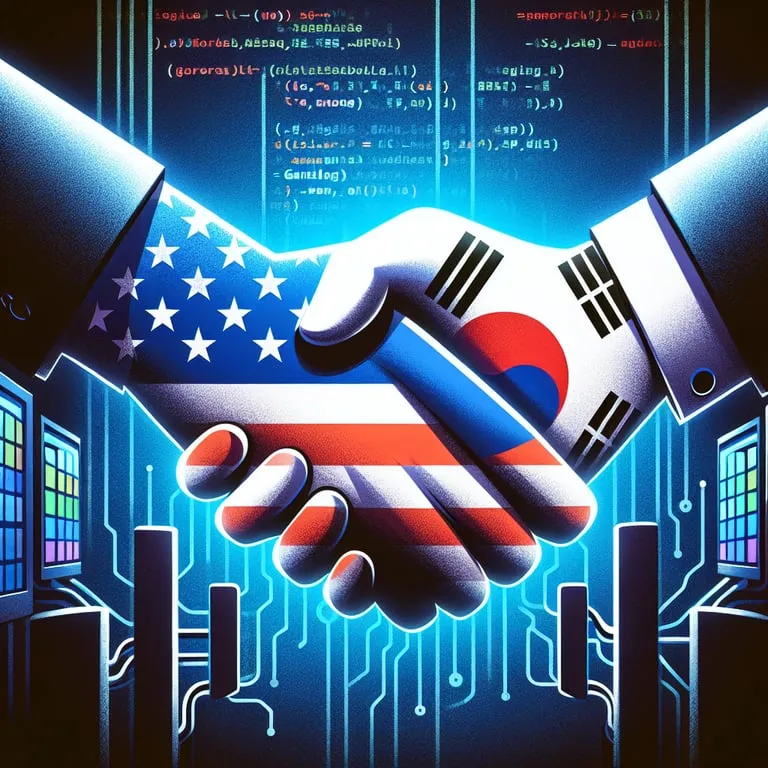
Why Korean Gaming Compliance Software Targets US Publishers
Let’s talk like old friends about why Korean gaming compliance tools keep showing up in US inboxes요. It’s not just checkboxes and audits anymore, it’s a real edge for launch speed, trust, and revenue in one of the most valuable markets you can enter다.
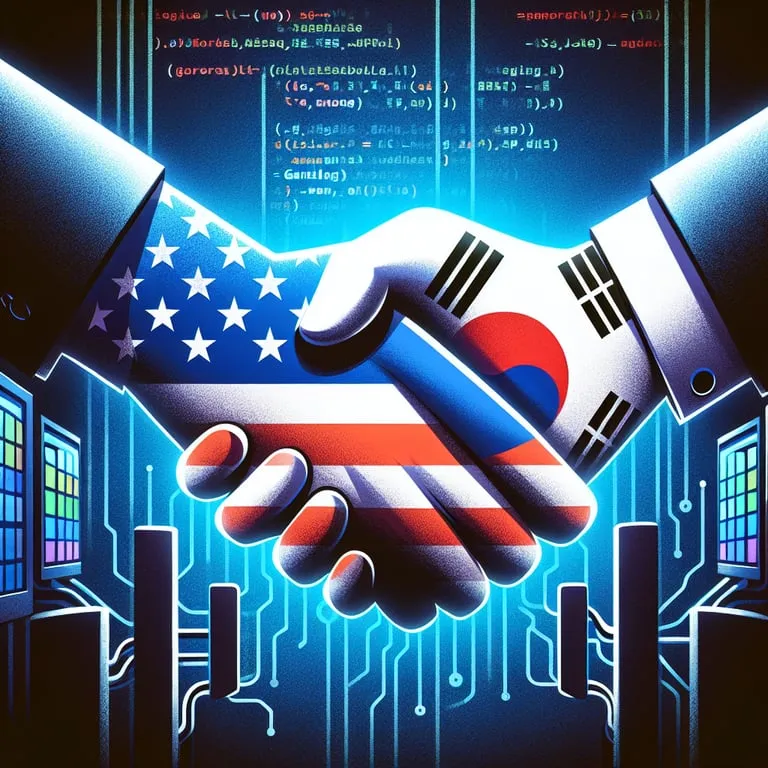
The 2025 landscape you walked into
What changed in Korean law recently
Korea tightened the Game Industry Promotion Act with probability item disclosure now a statutory obligation, not just self regulation anymore다. The amendment forces “gacha” mechanics to show exact draw rates, keep verifiable logs, and face penalties for misstatements or deletion of records요. Penalty surcharges can reach up to a few percent of related sales and criminal fines can stack on top if deception is proven다. The practical effect is simple but heavy for ops teams because disclosure must be accurate, machine verifiable, and consistently updated on every patch note and in app UI요.
Why this matters to US publishers
If you ship into Korea without the right rails, you run into ratings issues with GRAC or IARC, payment frictions under the Telecommunications Business Act amendments, and PIPA obligations that look a lot stricter than typical US privacy baselines다. Platform rules on Google Play and iOS in Korea also demand alternate billing options and compliant disclosures that trip teams used to a single store policy요. You can brute force it with internal tools, but most studios underestimate how much localized auditability and record retention the regulators expect다. That gap is literally why Korean compliance vendors are calling your BD inbox right now요.
Market numbers that justify the effort
Korea’s game market sits around the high teens in USD billions with mobile still taking the lion’s share and PC online holding a loyal spendier base다. ARPPU and first week monetization cohorts tend to overperform global medians by 15–30% when you localize payments and CS correctly요. Churn is ruthless though, and refund expectations are codified under the E Commerce Act and KFTC standard terms for digital content다. Unused paid currency is typically refundable and defective content triggers mandatory remedies, so having the right rules engine can pay for itself fast요.
Platform rules now mirror strict Korean standards
You’ve already seen App Store and Play mandate loot box probability disclosures globally, which means the delta to Korean law isn’t as scary as it used to be다. The difference in 2025 is enforcement teeth, local language placement, and audit trails that an inspector can traverse without engineering hand holding요. Korean vendors grew up meeting GRAC, KISA, and KFTC expectations, so their defaults embed the “show your work” mindset from day one다. That is exactly the muscle many US teams borrow rather than build in a rush before launch요.
What Korean compliance vendors actually ship
Age and identity verification that actually works
Korean services plug into mobile carrier PASS, credit card adult checks, and accredited identity brokers that can verify age within seconds with 95%+ success in peak hours다. You can gate 18 plus content at login, re verify for purchases, and log consents with hashed artifacts that satisfy PIPA’s demonstrable consent requirement요. For underage flows, they support parental consent capture, rate limits, and session time nudges aligned with youth protection guidance that big publishers adopted as de facto standards다. The SDKs usually include English docs, KST support coverage, and sandbox identities so your QA can run nightly suites without touching real PII요.
Probability disclosure and audit you can defend
Top vendors provide a probability ledger that stores your gacha tables, seed changes, drop rate rollouts, and promotion overrides with Merkle tree style signatures다. They surface “effective rate” vs “base rate” when pity or streak breakers apply, and auto generate the Korean copy blocks that must live inside the draw screen and patch notes요. Most keep three years of immutable logs and ship an auditor view with diff timelines, which is a lifesaver if you’re answering a complaint or press inquiry다. False or missing disclosures can trigger fines and public backlash, so having change control at the SDK layer is a quiet superpower요.
Payments, refunds, and VAT for Korea
Korea’s alternate billing reality means you often integrate a local PG like TossPayments, KG Inicis, Danal, or NICE, with KRW settlement and e tax invoice flows다. Vendors expose multi PG routing, 3DS like risk checks tuned for Korean card patterns, and cash receipt issuance where applicable to satisfy local norms요. Refund logic maps to KFTC model terms, so unused pearls or gems can be refunded automatically while used items follow defect or service interruption rules다. For non resident publishers, the simplified VAT regime for electronic services kicks in with quarterly filings and the right software can spit out NTS ready reports in minutes요.
Data protection, ISMS-P, and PIPA readiness
PIPA requires explicit consent for cross border transfers, purpose limitation, minimization, and destruction policies that are actually executed, not just written down다. Korean vendors often maintain ISMS or ISMS P certifications, run Seoul region hosting on Naver, KT, or AWS Seoul, and provide data maps for your records of processing요. You’ll see field level encryption, tokenization for national ID substitutes, and access logging with retention tuned to legal minimums rather than “forever by default”다. DPIA templates and breach drill playbooks reduce the scramble when security teams ask the tough questions two weeks before launch요.
Why these vendors focus on US publishers
Big ARPDAU meets global risk control
US publishers bring scale, complex economy design, and the willingness to pay for enterprise SLAs, which makes them perfect clients for compliance platforms다. When a studio can boost KRW authorization rates from 78% to 92% by going local and cut refund processing time by 60%, the ROI conversation becomes easy요. Compliance stops feeling like a tax and starts looking like revenue enablement when friction vanishes at checkout and odds pages generate fewer tickets다. That story sells fast in boardrooms under quarterly pressure요.
US fragmentation and kids safety scrutiny
Even if federal law moves slowly, state level movement on kids safety and monetization is nudging everyone toward safer defaults다. Korean stacks already solve for verified age gates, parental dashboards, and granular session controls, so they translate well into US product roadmaps요. Add COPPA style data handling, content moderation for chat toxicity, and your trust stack starts to look future proof without building a bespoke system다. Vendors highlight this “compliance once export everywhere” narrative when pitching US labels요.
Faster path to Korea go live
Ratings, disclosures, payment routing, and refund logic can be wired up in weeks instead of quarters with a mature compliance SDK and a ready made admin console다. Most teams report shaving 6–10 weeks off their first Korean launch window and avoiding at least one resubmission with GRAC or store review요. With CDN edge in Seoul and cached compliance blocks, you also get lower latency and fewer cache misses on disclosure assets during patch day spikes다. Less toil, more shipping, and happier community managers is the usual outcome요.
Enterprise proof points that travel well
Look for claims like 99.95% uptime, sub 150 ms P99 verification calls in KST prime time, and PCI DSS Level 1 coverage on payment edges다. Security buyers also love to see SOC 2 Type II, ISMS P, and clean penetration test reports from local firms that regulators recognize요. For live ops teams, the killer metric is ticket deflection where clear odds UI and automated refunds cut “where are my rates” and “how do I refund” tickets by 30%+다. These are boring wins that change your margins in a hurry요.
What good looks like in a 2025 rollout
A 90 day compliance plan you can ship
Week 1–2, lock your scope, pick your vendor, and map features to obligations like GRAC rating, probability disclosure, PIPA consent, and refund logic다. Week 3–6, integrate age verification, payments, and disclosure SDKs behind feature flags, then localize copy blocks and screenshots for store listings요. Week 7–9, run audit drills, restore tests, fake incident walkthroughs, and have legal sign the disclosure placements with screenshots and video captures다. Week 10–12, soft launch with KR traffic, watch drop off at verification and checkout, then flip to full launch if metrics hold steady요.
Metrics to watch and thresholds to set
Target >95% successful age checks on first attempt and <2% false negatives or you will bleed new users다. Aim for authorization rates above 90% on cards and keep refund turnaround under 48 hours to stay within consumer expectations요. Measure disclosure page dwell and scroll completion to ensure players actually see the odds, which reduces dispute rates by double digits다. Keep PII access alerts noisy enough that every engineer hears when a production table is touched outside change windows요.
Team topology and owner map
Give a single DRI for compliance who owns the admin console, logs, and regulator questions so nothing falls between CR, legal, and ops다. Embed one backend engineer, one client engineer, one QA lead, a payments PM, and a bilingual CS lead who can handle 1 to 1 inquiries in Korean요. Legal reviews copy and screenshots while analytics sets up funnels for every compliance gate to kill myths with data다. Security does the PIPA DPIA and approves cross border transfer notices and retention schedules요.
Pitfalls we keep seeing
Studios forget to disclose “effective odds” after pity and only show base odds, which is non compliant now다. Others bury the odds two taps away or only in patch notes, but Korean practice expects the numbers at the point of draw and in a persistent view요. Teams also log probability tables without signatures, making it impossible to prove immutability when a dispute lands다. Lastly, refunds get over automated without edge cases for partially consumed bundles, which backfires during influencer outrages요.
A quick checklist to evaluate vendors
Integration surface and SLAs
Do they offer REST and client SDKs for Unity and Unreal with test identities, seed playbooks, and versioned schemas다. Is the P99 latency under 200 ms in Seoul and do they commit to 99.9%+ availability with financial credits요. Can you override UI with server driven config so design changes don’t require rebuilds다. Is there a kill switch to fall back gracefully if the compliance edge blips요.
Legal mapping and attestations
Ask for a control matrix mapping each feature to the Game Industry Promotion Act, PIPA, KFTC standard terms, and store policies다. You want sample audit packs with screenshots, log exports, and signed hashes so legal can sleep at night요. Check their ISMS or ISMS P certificate validity and the scope, not just the badge다. Make sure their subprocessors are in Korea or covered by proper cross border consents and standard contractual clauses where required요.
Operational excellence you can feel
Look for bilingual KST support with under 15 minute response for P0 during launch weeks다. You want proactive dashboards that alert on odds drift, verification drop off, refund spikes, and PG errors in real time요. Ask for quarterly chaos drills results and what changed after the last incident because postmortems tell you who learns and who talks다. Strong vendors will share concrete MTTR numbers and how they keep runbooks current요.
Friend to friend wrap up
Korea set a high bar for transparency, identity assurance, and consumer remedies, and that bar is now influencing global storefront expectations다. Rather than wrestling each requirement alone, many US publishers are renting the muscle that Korean vendors built the hard way over the past decade요. If you can turn compliance from a last mile scramble into a first class product surface, players notice and trust grows in a very public market다. Pick a partner with real logs, real attestations, and real humans on KST time and you’ll feel the lift from day one요.
You’ve got great games and a hungry audience just across the Pacific, so let’s make the rails as polished as the content you ship다. When the odds are clear, the payments just work, and refunds are fair, you win both revenue and goodwill, which is the only flywheel that never burns out요.
답글 남기기