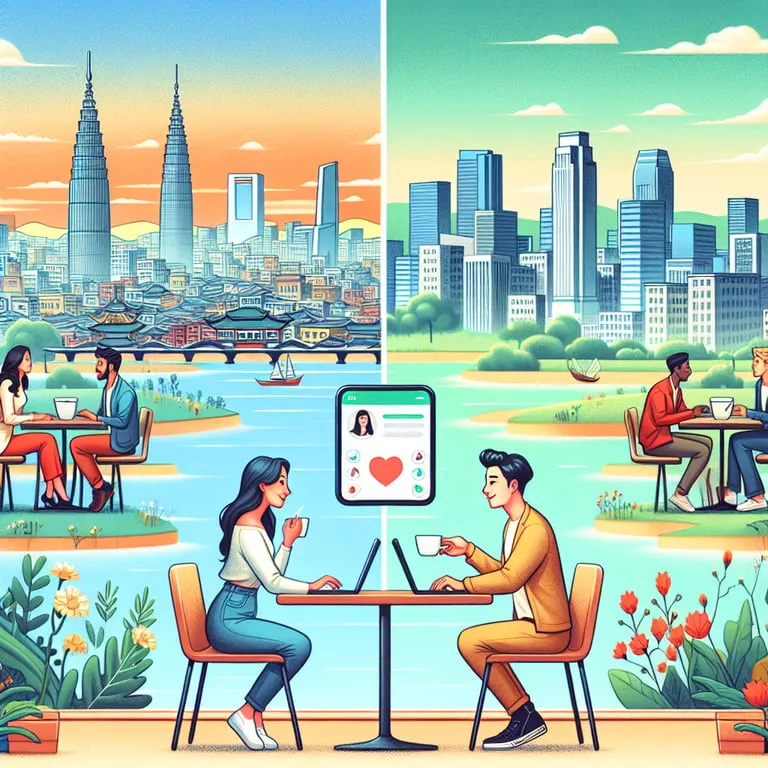
Korean Dating Culture vs Western Dating Culture
If you’ve ever tried dating in Seoul one season and San Diego the next, you probably felt the cultural switch flip right away, right요? As of 2025, the gap hasn’t disappeared, but it has become more nuanced thanks to apps, remote work, and a generation that’s comfortable blending tradition with global trends다. Think of this as a warm chat over coffee where we compare notes, share what actually happens on real dates, and decode the little signals that make or break the vibe요 🙂
First Impressions and How People Meet
Sogaeting and Meeting as Social On-Ramps
In Korea, a huge share of first dates still start with introductions, called sogaeting, set up by mutual friends or colleagues요. There’s also “meeting,” essentially a small group hang where two friend groups meet and pair off later다. The logic is simple and efficient: trust transfers through mutual connections, which reduces perceived risk and social cost요. Compared to many Western cities where cold approaches and in-app matches are common, the Korean path places more weight on social proof and context다.
Apps and Algorithms in 2025
Dating apps are now mainstream on both sides, but the use patterns feel different요. In the U.S., about three in ten adults report using dating apps at some point, and the vibe leans toward exploring options and casual filters다. In Korea, app usage is heavy in the 20s and early 30s, yet there’s a persistent preference for vetted introductions요. People still juggle both—apps for discovery, friends for verification다. Profiles in Korea tend to spotlight education, job stability, and lifestyle photos, while Western profiles often emphasize individuality, humor, and hobbies요.
Approaches and Icebreakers
High-context vs low-context communication shows up right from “hello”다. In Korea, indirectness and nunchi—reading the room—help you avoid being too forward요. You might hear, “We should grab coffee sometime,” as a gentle probe rather than a hard ask다. In Western contexts, clarity plays well: “Are you free Thursday at 7?” reads confident and respectful요. Neither’s “better,” but mismatching those styles can create friction—one person thinks they’re signaling interest; the other reads it as lukewarm다.
Photo and Profile Signal Theory
Small profile cues carry outsized meaning요.
- In Korea다:
- Neat, well-lit selfies with minimal filters signal sincerity요.
- Group photos that quietly imply an active social life help, but too many can seem evasive다.
- Mentions of MBTI remain popular, functioning like a quick compatibility shorthand요.
- In Western profiles다:
- Humor and storytelling captions score points요.
- Candid action shots and niche interests make you memorable다.
- “Looking for” sections tend to be explicit—casual, serious, monogamous, ENM—reducing ambiguity요.
Communication and Pace
The Sseom and the DTR
One of the most distinctive features in Korea is “sseom” (썸)—the flirty pre-relationship phase요. You’re not official yet, but there’s momentum, with frequent texts, short dates, and playful testing of compatibility다. Western dating includes the “talk” or DTR (define the relationship), but the runway can be longer and more exploratory요. Korea often moves briskly through sseom into a clear label, sometimes capped by a “gobaek” (confession) of exclusivity다.
Texting Tempo and Signal Strength
Text pacing is a cultural dial요. In Korea, quick replies—say within minutes to an hour—communicate interest and care다. Long silences can signal disengagement unless pre-explained요. In Western contexts, reply windows are broader, and people often compartmentalize time for messaging vs work or gym다. If you want to bridge styles in 2025, narrate your rhythm: “I’m slammed 2–6, but I’ll ping you after dinner!” That tiny line prevents needless overthinking요.
Titles, Honorifics, and Polite Distance
Language layers matter다. Korean has built-in honorifics and nuanced titles—oppa, unnie, sunbae—shaping warmth and respect요. Even over text, polite forms soften requests and frame care다. In English-first contexts, first names dominate and direct phrasing is common요. If you’re cross-cultural dating, explain what terms feel intimate, formal, or playful to avoid accidental awkwardness다.
PDA and Skinship Norms
“Skinship” is a common Konglish word in Korea for physical affection요. Public displays tend to be relatively subtle—hand-holding, brief hugs—especially around elders or conservative spaces다. Western cities vary, but overall PDA is more normalized, and couples calibrate to setting rather than social age hierarchies요. If in doubt, take the lead from your partner’s comfort, not just your own instinct다.
Money, Dates, and Rituals
Who Pays and How to Split
First-date economics reveal cultural scripts요. In Korea, it’s common for one person—traditionally the man—to pay the first “round,” with the other picking up dessert or coffee next다. You might hear “1-cha, 2-cha” to describe course-style dating across spots요. In Western contexts, splitting is fairly standard on early dates, though treating is also common when one person initiated or chose the venue다. Clarify with a warm “Wanna split this one?” rather than guessing요.
Typical cost ranges, just to ground expectations다:
- Seoul coffee date: 5,000–7,000 KRW per drink요.
- Mid-range dinner in Seoul: 15,000–25,000 KRW per person다.
- Major U.S. city dinner: 20–40 USD per person, not including drinks요.
Anniversary Culture and Micro Celebrations
Korea loves a good milestone다. The 100-day anniversary is still a thing, and monthly markers can matter early on요. There are cultural “love holidays” too—Valentine’s Day (women gift first), White Day in March (men reciprocate), and Pepero Day on 11/11다. Western couples lean toward fewer formal milestones but often celebrate first-trip anniversaries or meaningful inside jokes요. If you’re cross-cultural, discuss which dates feel important so no one feels forgotten다.
Gift-Giving Playbook
Thoughtful, practical gifts carry weight in Korea요. Skincare sets, warm accessories, or a coffee subscription say “I pay attention”다. Presentation matters—neat wrapping, a handwritten note, tidy timing요. In Western contexts, gift-giving is more personalized and spaced around birthdays or major holidays다. Experiences—concert tickets, pottery class, a weekend hike—often beat objects요.
Weekend Trips and Curfews
Logistics shape love다. In Korea, late subways, neighborhood norms, and living with family can compress date windows요. Many couples do short, high-frequency dates—coffee, dinner, quick walks다. Western couples may prioritize longer, fewer dates—day trips, hikes, cooking nights요. No rule is universal, but syncing schedules prevents mismatched expectations다.
Family, Future, and Life Logistics
Meeting the Parents and Reading Nunchi
Family introductions in Korea carry significant weight요. Meeting parents can signal serious intent and may trigger questions about stability, values, and future plans다. You’ll score high by displaying nunchi—subtle courtesy, modesty, and patience요. Western family intros vary widely; some happen early and casually, others only when engagement is on the table다. It helps to ask your partner what “meeting the parents” means in their world요.
Cohabitation and Marriage Timelines
Cohabitation before marriage is more normalized in most Western settings다. In Korea it exists, but social acceptance varies by family and age bracket요. Marriage timelines also differ: Korea skews toward early 30s for first marriages, while many Western countries now range from late 20s to early 30s다. Economic factors—housing costs, student loans, and childcare expectations—heavily influence timing in both places요.
Military Service and Long-Distance Realities
Mandatory military service for most Korean men still affects planning다. Relationships may navigate 18–21 months of distance, slower texting, and scheduled calls요. Couples often set micro-rituals—weekly letters, care packages, or synced playlists—to keep the bond active다. In Western contexts, long-distance tends to come from work travel or relocations, with more flexibility in visit schedules요.
Work Culture and Time Scarcity
Korea continues to post high annual work hours relative to many OECD peers요. Busy seasons and team dinners can limit weekday dating windows다. Western workplaces vary, but flexible and remote setups in 2025 give more room to plan around energy peaks요. Either way, respectful scheduling and “Here’s my week” transparency prevent ghosting-by-overwork다.
Values, Red Flags, and Green Flags
Individualism and Collectivism in Practice
Korea leans collectivist, prioritizing harmony and group attunement요. That breeds considerate gestures, but sometimes indirectness can blur needs다. Many Western cultures tilt individualist, so direct preferences and boundaries are valued요. Translating between them is a superpower: learn to say, “I care about harmony, and here’s clearly what I need”다.
Conflict Styles and Saving Face
Face needs are real요. In Korea, conflict may be softened with euphemisms, timing, or third spaces (like walking outside) to preserve dignity다. In Western contexts, “clear is kind” drives earlier, explicit feedback요. Toolkits you can borrow across borders다:
- Use I-statements and time-boxed talks요.
- Summarize what you heard before rebutting다.
- Agree on a repair ritual, like a short walk or tea break요.
Sex, Consent, and Safety Norms
Both cultures increasingly emphasize enthusiastic consent다. Still, signals differ: Korea’s high-context style can make verbalizing desire feel unfamiliar요. Spell it out with warmth—“I want to, does that feel good to you?”—and treat “maybe later” as a full answer다. Safety-wise, share live locations for first meets, pick public daytime spots, and set a check-in with a friend요. These aren’t paranoia—they’re pro-care habits다.
Red Flags and Deal Breakers Across Cultures
Watch for요:
- Chronic ambiguity or stalling on labels when you’ve already aligned goals다.
- Disrespect of boundaries framed as “cultural” necessity요.
- Financial control masked as generosity다.
- Social isolation, love-bombing, or drastic pace mismatch요.
Green flags you’ll love다:
- Repair attempts after conflict요.
- Consistent small care—texting when they said they would다.
- Willingness to explain norms without shaming요.
- Curiosity about your world and eagerness to meet your people다.
Quick Cross-Cultural Playbook
If You’re Dating in Korea
- Calibrate texting speed to be a bit faster than you’re used to요.
- Learn the sseom phase and enjoy the flirt—it’s part of the rhythm다.
- Offer to pick up the second round, even if they insist on the first요.
- Note meaningful dates like 100 days in your calendar다.
If You’re Dating in the West
- Say what you want early—“I’m looking for something long-term” lands well요.
- Expect splits on early dates and confirm without awkwardness다.
- Don’t assume “fast texting = clingy”; cadence varies widely요.
- Plan experiences that show your personality—a small hike or gallery hour다.
If You’re Crossing Cultures Together
- Translate intentions, not just words요.
- Set a shared glossary—what does “serious,” “exclusive,” or “slow” mean to you다.
- Swap holiday expectations and family norms before they’re urgent요.
- Pick one ritual you’ll keep no matter what—a Sunday call, a monthly day trip다.
Final Thoughts You Can Carry Into Your Next Date
Under the surface, both Korean and Western dating are trying to answer the same questions—Do we feel safe, seen, and excited together요? Can we grow in the same direction다? They route through different streets, but the destination can absolutely be the same요. If you learn the signals, honor the pace, and speak intentions with kindness, you’ll travel well in either city다. And honestly, that blend—clear words with warm nunchi—is a pretty irresistible combo in 2025, wherever you swipe, sip, or stroll together요.
답글 남기기