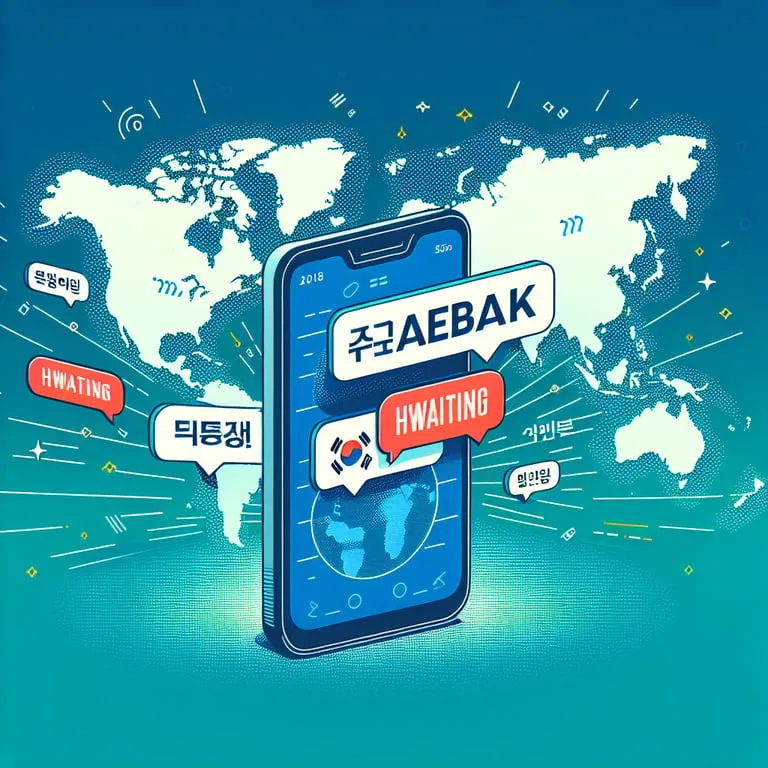
Korean Slang Words That Went Global
If you’ve ever shouted daebak with friends or typed hwaiting before an exam, you’ve already felt how Korean slang travels light and lands fast!!요
In 2025, those little syllables have become global souvenirs people carry in chats, songs, and everyday banter :)다
Pull up a chair, grab a snack, and let’s tour the Korean slang words that went global together^^요
I’ll show you what they mean, how to say them, when to use them, and where they came from다
No dry lectures here, just stories, simple pointers, and a few nerdy numbers sprinkled in for fun~?요
Ready to sound just a bit more native when you fangirl or fanboy over your faves?!다
The story of Korean slang going global
From PSY to Squid Game
A lot of roads lead back to 2012, when PSY’s Gangnam Style became the first YouTube video to hit 1 billion views!!요
Overnight, the word oppa wasn’t just in Seoul; it was blasting from car radios in São Paulo and cafés in Stockholm다
Then came the 2020s and a tidal wave of K‑dramas and K‑pop comebacks that kept the lexicon flowing요
Squid Game topped charts in over 90 countries and reached more than 140 million households in its first month, giving non‑Korean speakers a fearless crash course in words like hyung and unnie다
Platforms that turbocharged spread
TikTok’s short loops made chants like hwaiting stick because you hear and repeat them in 15‑second bursts요
YouTube subs and auto captions turned niche slang into searchable, sharable bites with zero friction다
Discord servers, stan Twitter, and Reddit threads acted like language accelerators, where one catchy clip could seed thousands of new uses within hours요
By 2025, K‑content isn’t a niche vertical; it’s a mainstream pipeline that exports not only songs and shows but also micro‑phrases, gestures, and in‑jokes, with annual content exports having exceeded $10B in the early 2020s다
Why these syllables stick
Many Korean slang words are two to three syllables, high in vowels, and rhythm friendly, which makes them perfect for chants and hashtags요
They’re semantically punchy, so one word like daebak can cover wow, epic, or unbelievable without long explanations다
The Hangul forms are visually neat blocks, so screenshots and captions look tidy and meme‑ready요
Crucially, fans learn through call‑and‑response, so the memory curve gets boosted every time a crowd screams the line back at an artist다
Community translation power
Volunteer subbers, glossary makers, and fan‑run wikis built living dictionaries that update faster than any textbook요
They set norms like how to spell hwaiting versus fighting and when to keep oppa as is instead of translating to boyfriend다
This crowdsourced standardization reduces confusion and helps slang jump between languages without losing its flavor요
That’s why you’ll see consistent romanizations in 2025 across Spotify lyrics, captions, and official merch다
Words everyone now recognizes
Oppa and Unnie
Oppa literally means older brother to a woman, while unnie means older sister to a woman요
Globally, oppa drifted to a flirty or affectionate address for a slightly older male, heavily popularized by Gangnam Style다
Use them with people you know or in fan contexts, not to strangers or bosses, unless you want polite side‑eye요
Pronounce oppa as [op͈a] with a tight double p, and unnie as [uni] with the n tapping the palate softly다
Aegyo
Aegyo refers to cute, charming behavior or speech that intentionally softens edges요
Idols deploy aegyo on stage and in variety shows, but off stage friends might use a sprinkle to lighten a request다
Think rounded vowels, higher pitch, and playful facial cues, not baby talk all the time요
Used sparingly, it bonds people; used non‑stop, it can feel performative in English‑speaking contexts다
Daebak and Jjang
Daebak is your big jackpot word for amazing, while jjang leans closer to best or awesome요
They function as interjections and adjectives, and you’ll hear them at concerts, in gaming streams, and on reaction videos다
If you want crisp delivery, say dae‑bak with a light k at the end and jjang with a tense jj like pressing the tongue to the palate요
In text, all caps DAEBAK or a fire vibe used to be common, but in 2025 many fans keep the Hangul 대박 for style다
Hwaiting
Hwaiting or fighting means you got this, a pep cheer before a challenge요
It’s not about combat; it’s encouragement, the same way teammates slap backs before a test or a game다
Say it as hwa‑i‑ting with the hwa gliding quickly, and toss in a fist pump if you’re feeling extra요
Used at the wrong time, like after someone shares bad news, it can sound dismissive, so read the room다
Words born in the fandom
Maknae
Maknae marks the youngest member in a group, whether it’s a band, a friend circle, or a project team요
Because K‑pop groups often spotlight the maknae’s growth arc, the word now describes any lovable rookie at work or school다
Pronounce it mahk‑neh, and skip the long a at the end to avoid mangling the rhythm요
You’ll even see people pair maknae with playful nicknames in captions, keeping the vibe teasing, not condescending다
Sunbae and Hoobae
Sunbae is a senior or mentor figure, while hoobae is a junior or mentee in school, work, or creative scenes요
These terms encode directionality of experience, so usage signals respect as much as relationship다
In English conversations, people often keep sunbae as is, especially in film crews and dance studios요
When in doubt, default to names and add titles later, because mislabeling rank can feel awkward다
Sasaeng
Sasaeng describes an obsessive, invasive fan who violates privacy, not a regular passionate supporter요
Outlets borrowed the term because it’s precise and culturally anchored, which helps separate safety issues from normal enthusiasm다
Don’t throw sasaeng around lightly or as a joke, since the word is tied to serious boundaries and laws요
Fans and agencies now publish clear policies and hotline numbers to deter sasaeng behavior across tours다
All kill
An all‑kill happens when a song ranks number one across major Korean real‑time charts simultaneously요
Global fans use it as a quick KPI, the same way people reference Billboard peaks or Spotify daily tops다
It’s a technical term that migrated intact because it’s efficient and feels a little badass to say요
In 2025, chart ecosystems changed, but the bragging rights vibe of an all‑kill still gets timelines buzzing다
Everyday expressions crossing borders
Jinjja and Wae and Aish
Jinjja means really, wae means why, and aish is a mild groan like ah man요
They’re tiny but expressive, perfect for reaction clips and subtitles that aim for emotional accuracy다
Tone does the heavy lifting, so jinjja rising can mean disbelief, while flat jinjja reads as confirmation요
Aish lives in the same family as sighs, so pair it with a head tilt rather than a scold다
Selca
Selca is a Korean portmanteau of self and camera that spread through fan cafés and image boards in the late 2000s요
While selfie dominates mainstream English now, selca still signals a fandom wink, especially in caption tags다
You’ll see it in throwback posts or when people want a retro internet feel요
Spell it simply as sel‑ka in speech, even though the c comes from camera다
Skinship
Skinship refers to friendly physical affection like hugging or linking arms without romantic implication요
It’s Konglish built from skin and friendship, and it helps articulate closeness in non‑sexual terms다
Use carefully across cultures, since comfort with touch varies widely and the word can confuse newcomers요
When clarity matters, add a short gloss like casual friendly contact after the term다
Jeong
Jeong is a deep, steady affection that builds over time through care, small favors, and shared history요
It’s not slang in the strictest sense, but it rides alongside slang to explain why little words carry big warmth다
Writers use jeong to parse the emotional glue in K‑dramas, friendships, and even cafes that remember your order요
Because there’s no perfect English match, many keep the Hangul 정 in essays and captions다
How to use them naturally in 2025
Sound and stress
Korean has tense consonants like ㅉ in jjang [t͈ɕ͈aŋ] and double stops like ㅃ in oppa [op͈a], so tighten the mouth without adding extra breath요
Aim for even syllable timing, and avoid heavy English stress that turns dae‑bak into day‑BAWK (daebak [tɛ̝bak̚])다
Listening and shadowing thirty seconds of an idol’s talk clip daily beats any long textbook drill요
Record yourself once a week and compare to native clips to nudge closer without obsessing다
Politeness levels
Many slang items float above formal levels, but mixing them with softeners like please or a quick thank you keeps the tone friendly요
Save honorifics for proper names and elders, and let the slang carry fun rather than formality다
With sunbae or unnie, context does the politeness work, so add a warm smile and you’re set요
If someone looks unsure, switch to English equivalents to keep everyone comfortable다
Culture cues
Concerts, esports, and café meetups are high‑frequency zones where slang feels organic요
News interviews or official emails are low‑frequency zones where slang can read unserious다
Match register to space, and you’ll sound considerate as well as cool요
Think of slang as seasoning, not the whole dish다
When not to use
Avoid oppa with strangers, authority figures, or in professional cold emails요
Steer clear of sasaeng outside news or safety contexts, because it trivializes real boundary issues다
Skip faux‑Asian accents or exaggerated gestures; the charm is in lightness and care요
If you’re unsure, ask a Korean friend or check fan glossaries before posting다
Quick mini glossary for 2025
High frequency essentials
- Oppa 오빠 — older male to a woman, affectionate address요
- Unnie 언니 — older female to a woman, affectionate address다
- Hyung 형 — older male to a man, casual address요
- Noona 누나 — older female to a man, casual address다
- Daebak 대박 — amazing, great, wow요
- Hwaiting 화이팅 — you can do it, cheer다
Fandom and industry
- Maknae 막내 — youngest member, often spotlighted요
- All kill 올킬 — simultaneous number one across major charts다
- Comeback 컴백 — a new release cycle, not a return from failure요
- Selca 셀카 — self camera style selfie tag다
Nuance and culture
- Aegyo 애교 — cute charm, playful behavior요
- Sunbae 선배 — senior, mentor figure다
- Hoobae 후배 — junior, mentee figure요
- Jeong 정 — deep enduring affection, glue of relationships다
Language doesn’t just cross borders; it carries snacks, jokes, and little sparks of feeling, and Korean slang is doing that beautifully in 2025 ^^요
Try one or two words this week, keep your ears open, and let the vibe guide you—slow and steady wins, and that’s the most daebak way to learn :)다
답글 남기기