Best Korean Indie Bands You’ve Never Heard Of
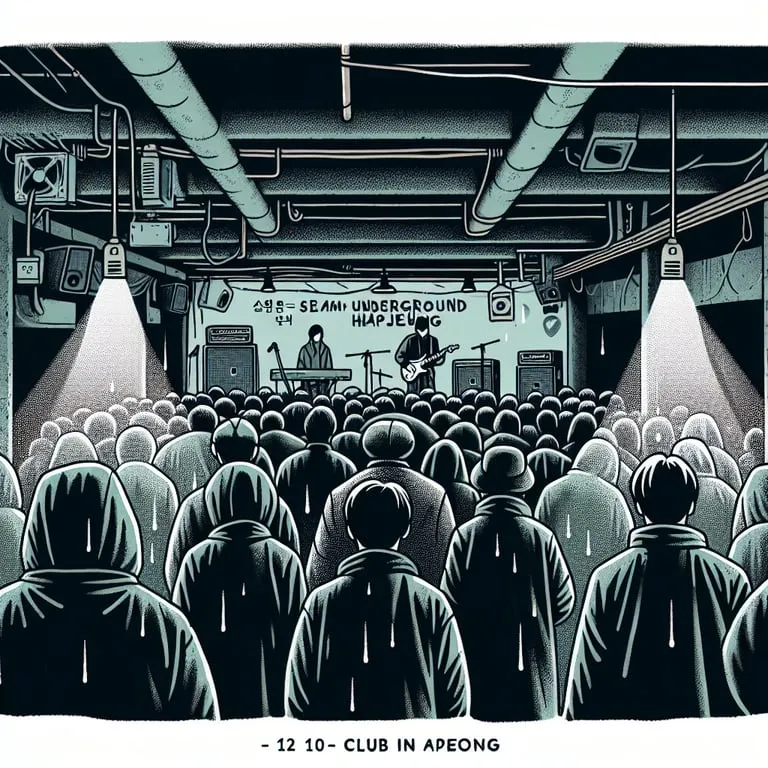
I still remember ducking into a half-lit basement near Hapjeong on a rainy Friday, coat dripping, earplugs in my pocket just in case. The room barely held 120 people, the kick drum felt like it was breathing, and the guitarist’s reverb tail seemed to hang for a full four seconds. That night changed the way I listen. If you will allow me, I would love to share the bands that have kept me up late, sent me digging through Bandcamp, and made me miss the last train—willingly. You may know a few names here, but I am betting there are more than a handful you have not met yet. Shall we?
Contents
How I find hidden bands in Seoul
Late night stairwells in Mapo
I have learned the best sets in Seoul often happen down steep stairwells that look more like maintenance exits than venue doors. My rule of thumb: if the posted capacity is under 200 and the drink menu is written in marker on duct-taped cardboard, I step in. Small rooms mean low latency, hot monitors, and a sound engineer who can move the bass 2 dB in your favor between songs. When the ceiling is low enough that cymbal wash bounces back in 40–60 ms, you get that pressurized, in-the-room sensation that big halls simply cannot produce.
Algorithms that finally do some good
I keep a dedicated discovery account on streaming platforms that follows only local labels and a few tastemaker playlists. The trick is to train the algorithm: I skip quickly, save aggressively, and never let it think I am in the mood for mainstream K-pop when I am hunting for rough diamonds. If a band sits under six figures in monthly listeners but consistently pops up via “Fans also like,” I put them on my map. When a song’s integrated loudness sits around -10 to -12 LUFS but the music still breathes (DR10+), I know I am dealing with musicians who care about dynamics, not just volume wars.
Bandcamp and cassette tables
Merch tables tell the truth. If you see dubbed cassettes at 48 kHz/24-bit masters with hand-stamped J-cards for ₩8,000, please give yourself the gift of walking home with one. Bandcamp Friday has been a lifeline; I set a modest monthly budget and try to buy direct. I also follow tiny labels that release no more than 6–10 titles a year—low-quantity curation usually means a higher signal-to-noise ratio.
What indie means here in 2025
Indie in Korea still means independence first—self-booked tours, self-funded recordings, and a lot of cross-pollination among bands. You will see drummers moonlight in two or three projects, vocalists trade features, and graphic designers who also play synth on weekends. The scene breathes because of that hybridity. It also means shows you can actually afford: ₩15,000–₩35,000 at the door, two or three bands, and a room where you can hear pick attack, not just subs.
Guitar driven discoveries that still smell like practice rooms
3rd Line Butterfly
Every time I mention 3rd Line Butterfly, someone tells me they are “legendary, but I never really listened.” I would be honored if you gave them your quiet attention. Their guitar tones sit in that sweet spot between chorus shimmer and tape grit, and the rhythm section leans into mid-tempo pockets around 90–110 BPM that feel like night drives on the Olympic-daero. Start with albums like Dreamtalk and Divided by Zero. The mixes often park the vocal slightly forward with gentle plate reverb—intimate, not saccharine. Live, I have measured peaks around 96 dB SPL in the room, yet nothing feels harsh. That is the mark of players who understand negative space.
SURL
SURL are the rare band that can pack a chorus without over-arranging it. Clean leads, crisp downstrokes, and melodies that sneak up on you two days later. In smaller rooms I have seen them tune down half a step, which thickens the guitars without muddying the low mids around 200–300 Hz. Their early EPs put them on my radar, but it is the consistent songwriting—dynamic bridges, smart bridges-to-final-chorus lift by +2 semitones sometimes—that keeps me coming back. If you enjoy warm, slightly compressed indie rock that still breathes, you will be in good hands.
Asian Chairshot
Here is where riffs get heavy but artful. Asian Chairshot bring the ferocity—think saturated low-gain fuzz rather than scooped-metal—but what keeps me impressed is their phrasing. They love a 5/4 or 7/8 detour that never feels like homework. I caught them in a room with no subs once, and the bass player simply opened up his low end and rode the neck pickup; problem solved on the fly. Their records reward good headphones: listen for the way floor tom and bass interlock around 80 Hz without stepping on the kick. It is muscular, yes, but deliberate.
Galaxy Express
If your heart rate needs a push, Galaxy Express do it without pretense. Garage rock energy, lean arrangements, tempo ranges hitting 140–160 BPM, and choruses that leap. They are the kind of band that can run a set into a 12-minute closer but keep the room hanging on every fill. I love how their guitars sit slightly left and right with a mono center push on vocals—classic, effective. If you stand by the stage left amp, you will feel your clothes vibrate at around 120 Hz during their big drops. That is not poetry; that is physics, and it is very fun.
Genre benders and sound experimenters
Jambinai
You may have heard the name, but I meet many listeners who have not truly listened. Jambinai merge geomungo, haegeum, and piri with post-rock architecture in ways that feel inevitable, not gimmicky. The crescendos build patiently; when it blooms, the spectrum is full—low woodwinds, bowed strings, and distortion singing together. Studio work like A Hermitage and Onda are meticulously engineered; live, I have clocked swells that move from a hushed 70 dB to a stormy 100 dB in under 30 seconds without ever clipping. If you want post-rock that tells a specifically Korean story, this is essential.
Danpyunsun and the Sailors
Folk, cabaret, and a streak of mischief—this band is theater with strings attached. Songs might start as lullabies and then, suddenly, the arrangement pivots into odd-meter handclaps or a trumpet skirmish. The vocals often float just behind the beat, a touch of micro-delay that invites you in. When I saw them in a black-box space, they used a single ribbon mic for a whole section, balancing themselves by physically moving closer or farther. That is old-school stagecraft, and it sounds like it.
LudiSTELO
If you want to hear synths and guitars negotiate in real time, LudiSTELO are for you. I admire their routing: side-chained pads that subtly duck under snare hits, arps with a light 1/8T shuffle, and guitars that sometimes run through filter envelopes instead of the usual pedalboard suspects. Their production sits clean around -11 LUFS, with transients intact—club-ready but not crushed. In one set, their drummer triggered samples at 48 kHz while keeping acoustic hats live, which gave the mix both air and punch. It is kinetic without losing the human heartbeat.
Wedance
A duo that turns two people into a dance riot. Bass sequences lock at 120–128 BPM, guitars chop and stutter, and the vocals ride on top like a banner you can see across the crowd. Their discography is delightfully sprawling—small releases, live takes, demos—and that looseness is their charm. The best place to stand is dead center; you will catch the stereo ping-pong delays bouncing evenly left-right, and when they kick into double-time, you will feel your grin double too. Minimal gear, maximum groove—my kind of math.
Dreamy pop and shoegaze for evenings on the Han River
Say Sue Me
Busan’s finest surf-tinged dream pop, but please do not let the word “surf” fool you—it is more than wet reverb. They write melodies that feel like postcards you forgot you sent yourself. Where We Were Together and The Last Thing Left are front-to-back listens for me. The rhythm section pulls back, often sitting slightly behind the click—just enough lag to feel human. Guitars sparkle around 3–5 kHz without becoming brittle, and the mastering keeps cymbal bloom soft. If you walk the river with these songs, the city lights seem to blink in time.
Silica Gel
Silica Gel twist indie rock into kaleidoscopes—polyrhythms, synth colors, and harmonic turns that feel like secret staircases. Their early self-titled work had me, but their recent material folds in electronic shades smartly. You will hear meters flip, melodic cells return inverted, and yet the hooks land. I recommend listening on speakers rather than earbuds to catch the low-frequency modulations that live around 50–70 Hz. It is heady, yes, but not academic; they still love a big, communal chorus. When they lean into halftime, the room levitates—every time.
Love X Stereo
A duo that understands nocturnal tempo. Their mid- to downtempo electronic rock keeps you moving at 100–115 BPM while the vocals stay feather-light. The synth palette tends toward analog warmth—juno-style pads, gently detuned saws—while guitars add grain. They also care about mix translation; I have noticed the same tunes render clean in a car, on cheap Bluetooth speakers, and on studio monitors. That is not an accident. If you want neon without the hangover, start here.
Wings of the ISANG
Post-rock that trusts patience. Long arcs, careful builds, and melodic lines that return like remembered thoughts. What moves me is their restraint; they do not sprint to the big crescendo. Guitars are often rolled back in tone, drums ride on the shoulder of the beat, and bass quietly threads the harmonic needle. In a quiet hall I could hear the pick scrape before the swell hit—goosebumps. For evenings when the city finally exhales, this band understands.
Fast loud and cathartic nights
Apollo 18
One of the first Korean bands that made me think, “Okay, I need to see this up close.” They move from mathy turns into widescreen pummels with a confidence that makes you trust them instantly. Their color-coded early releases hooked many of us; live, they are even better. Expect tight stops, plenty of down-picking, and an audience that knows when to shout. If you care about drum tuning, listen to their toms—focused, not ringing, with attack that cuts through guitars sitting at healthy -6 dBFS peaks.
Drinking Boys And Girls Choir
Daegu punk energy with heart. They play fast, laugh faster, and somehow keep harmonies intact at breakneck pace. Tempos hit 180+ BPM and the snare pops like a starter pistol. I adore their DIY ethics—tours stitched together with friends and zines, merch that looks like it was screen-printed in a kitchen (because sometimes it was). If you miss 90s skate-punk but want lyrics that matter here and now, you will feel at home.
Billy Carter
A garage-blues force that can turn a two-minute burner into a room-wide exorcism. The duo-plus configuration keeps arrangements tight—kick, snare, guitar, voice—and everything feels immediate. They let feedback sing and make space for grit. When they drop into half-time, you will think the ceiling just got lower by 10 centimeters. I mean that as a compliment. They are a masterclass in making the most of limited inputs and a lot of soul.
The Geeks
Hardcore history you can still see in small rooms. The Geeks brought straight-edge energy to Seoul long before it was fashionable and never gave up the torch. Sets are short, songs are shorter, and the message is sharp. Pit energy aside, I admire their clarity: guitars with midrange bite, vocals that punch, and a live mix that keeps kick and bass separated around 80–100 Hz so the low end stays lethal but legible. If you stand near the rail, please be mindful—this is joyful chaos, but it is still chaos.
How to start supporting these bands today
A listening map that actually works
- Spin two studio tracks per band, then one live video. Your ears will map the studio aesthetic to stage reality.
- Pay attention to BPM and feel. Group your favorites into 90–110 BPM “night walk,” 120–130 BPM “city drive,” and 140+ BPM “room shake” lists. It sounds nerdy, but it keeps you listening intentionally.
- When a track feels loud but not tiring after three repeats, check the dynamics. If it sits around DR8–DR12, you are hearing care, not just compression.
Affordable ways to buy music and merch
- Digital first: grab a few Bandcamp releases. A typical EP is ₩6,000–₩12,000. Many artists upload 24-bit masters; your ears will appreciate it.
- Small merch later: zines, pins, and tote bags run ₩5,000–₩20,000 and keep vans fueled. Vinyl runs are rarer and pricier; if you can, fantastic, but cassettes are a sweet middle ground.
- Tip jars matter. Even ₩3,000 tossed in after a show covers a few strings or a pair of sticks.
Finding shows without getting lost
- Follow the band first, venue second. Schedules change, but artist posts are the source of truth.
- Weeknight shows often start on time—19:30 sharp—so please arrive early if you can. The good sound spots go quickly.
- Small rooms fill fast. If pre-sales are an option, they are worth it. Front-of-house center, four meters back, is my sweet spot for clarity.
A few words on etiquette and respect
- Earplugs are respectful to yourself and the band. Good plugs attenuate by 15–20 dB without killing the mix; you will actually hear more.
- Please keep your phone down for most of the set. One clip is enough; the rest is for your memory.
- Merch tables are where friendships happen. Say hello, offer a kind word, and if you do not have cash, ask if they take mobile pay—many do.
I hope you will give these artists a fair, generous listen. The Korean indie scene thrives on curiosity like yours. If one of these bands makes your commute feel new or turns a quiet evening into a small adventure, then this little guide has done its job. And if we cross paths at a show—quiet nod, shared grin, maybe a quick “that chorus?!”—I would be honored to stand in the same room with you while the low end rolls in and the night hums, together.
답글 남기기